AI Wearables Signal End of Smartphones, Spark Privacy Concerns
July 26, 2026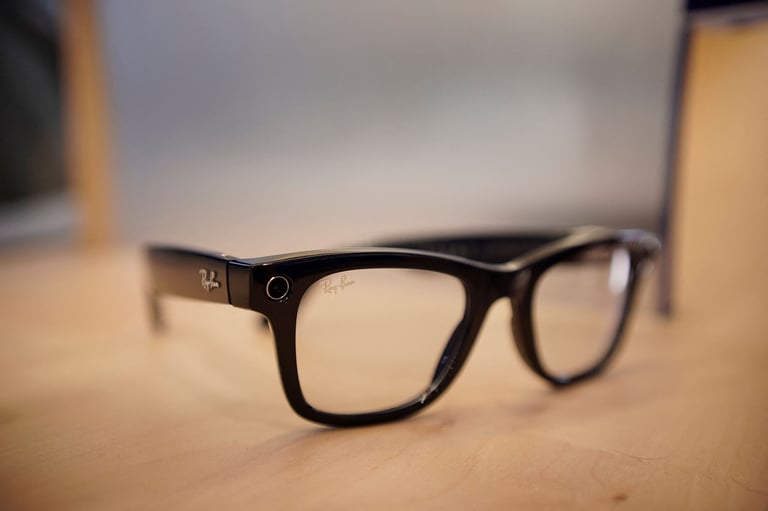


The article places these devices within the broader tech adoption arc and regulatory landscape shaping the post-smartphone world.
Use cases span homes, workplaces, and public spaces, illustrating both potential benefits and concerns without detailing specific scenarios.
Amazon’s Bee uses ongoing context to surface insights and accepts user corrections, with broader benefits envisioned by Plaud and OpenAI executives, including more efficient work and a move away from keyboards and mice.
Public discourse and potential policy responses are likely needed to balance innovation with privacy protections as AI-pervasive wearables proliferate.
We may be approaching a post-smartphone era where wearable AI devices—glasses, wristbands, and clip-on recorders—continuously observe the real world to provide real-time, context-aware assistance.
Major tech players are developing and testing devices like Meta’s AI glasses, Amazon’s Bee Pioneer, and Plaud’s Notepin S to enable instant audio-visual capture and AI-driven guidance.
These wearables promise ongoing data collection to inform AI insights, reminders, and recommendations, with users able to flag inaccuracies to improve relevance.
Privacy and consent emerge as central concerns, as unobtrusive recording can occur in private or sensitive spaces and may go unchecked without clear permissions.
Experts warn that the more data these devices collect, the greater the risk of misuse, while calls for ethical guidelines and regulation grow.
Testing notes show useful moments—like quick access to landmarks, better networking, and timely reminders—alongside downsides such as devices getting buried in bags and awkward social dynamics.
Key devices can capture images or audio, offer real-time analysis, and surface insights, with users able to correct inaccuracies to improve future recommendations.
Industry voices argue that more data enables better task performance, but also heightens risks of surveillance and misuse.
Summary based on 5 sources
Get a daily email with more US News stories
Sources


Межа • Jul 26, 2026
Companies push AI wearables into workplaces, raising privacy alarms
News Channel 3-12 • Jul 26, 2026
AI devices that see, listen and record: Are we ready for the post-smartphone world?
WPSD Local 6 • Jul 26, 2026
AI devices that see, listen and record: Are we ready for the post-smartphone world?