Runware Launches Sonic Inference Pod: A Revolutionary Modular Data Center for AI Deployment
August 4, 2026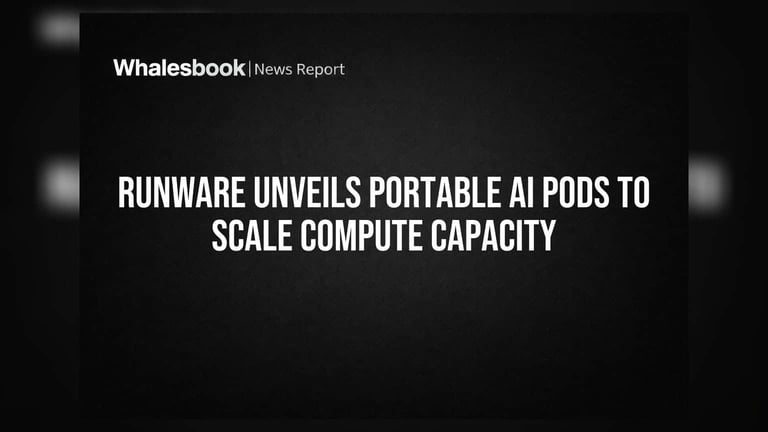

Runware unveils the Sonic Inference Pod, a modular, transportable data center unit capable of rapid AI inference deployment, fitting up to 1,200 GPUs in a 20-foot container to cut inference costs and bring compute closer to users.
The Sonic Inference Pod is designed to enable distributed compute and closer-to-end-user processing, potentially reshaping how AI infrastructure is provisioned.
A decentralized network of pods directs AI requests to the nearest available unit and reroutes traffic around outages, preserving performance and resilience as competition intensifies.
Analysts flag risks to monitor, including site acquisition pace, actual utilization, overall cost efficiency, and capital spend versus revenue as the competitive landscape tightens.
Environmentally, the pods reduce water use and leverage existing power, though overall AI power consumption remains a concern and renewable energy is a future goal.
Radulescu argues the hardware complexity and talent required create barriers to entry, reinforcing Runware’s differentiated approach and deterring quick replication.
The article compares the decentralized POD model to traditional data centers’ economies of scale and examines how the model sustains performance and profitability over time.
Runware claims 40–60% of traditional data center spending for inference is unnecessary, with gains from density, modularity, and traffic routing eliminating much overhead.
The approach targets cheaper, relocatable capacity placed where power is inexpensive, contrasting with the hyperscale mega-centers pursued by big AI players.
Notable early adopters include Higgsfield AI and Wix, signaling validation and interest in the model.
Radulescu underscores distributed, closer-to-user compute as the AI infrastructure future, noting reduced transmission losses and lower new grid and water usage.
Europe is serving traffic, with US West deployment underway and a plan for a first wave of 10,000 inference nodes across regions in the second half of 2026, aiming for 1 GW of capacity by 2027.
Summary based on 6 sources
Get a daily email with more Tech stories
Sources
TechCrunch • Aug 4, 2026
Is the future of data centers portable? Runware builds a pod to find out
Yahoo • Aug 4, 2026
Is the future of data centers portable? Runware builds a pod to find out
Zamin.uz • Aug 4, 2026
Runware unveils a portable data center for artificial intelligence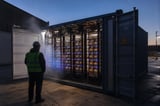
Unite.AI • Aug 4, 2026
Runware Ships Containerized AI Data Centers for Cheaper Inference