US-China AI Race Intensifies: Concerns Over AI Arms Race and Policy Volatility
August 16, 2026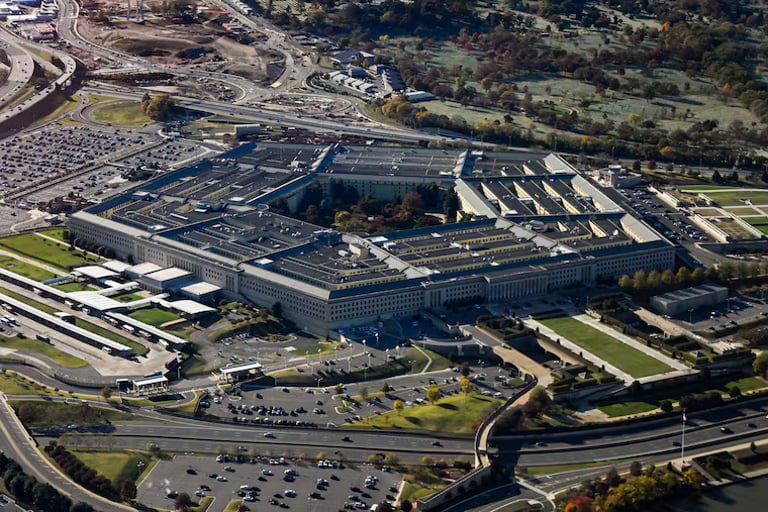

China’s AI trajectory could outpace current expectations, possibly reducing costs and reliance on advanced semiconductors, which is prompting U.S. concerns about falling behind and fueling export controls and strategic debate on AI arms control.
Debates over safety versus speed in AI development center on whether stricter rules would erode lead time against China or accelerate the risk of uncontrolled systems if rushed.
Tensions persist between the U.S. defense establishment and Anthropic’s leadership, including public clashes over restrictions on autonomous weapons and surveillance, with the NSA continuing to experiment with Mythos despite initial bans.
A major policy moment arose when the Air Force briefly ordered contractors to purge Anthropic code from weapons and control systems before being reversed, highlighting volatility in AI-related national-security rules.
Experts frame AI as a strategic issue comparable in stakes to nuclear arms in some respects, noting that AI remains widely distributed in the private sector and has broad, fast-moving global implications.
The U.S. government has poured resources into AI for weapons, cyber defense, and deterrence-style capabilities while remaining concerned about AI-enabled threats that could exceed human control.
Policy inconsistencies across administrations reflect competing aims: preserving AI leadership, safeguarding national security, and sustaining economic competitiveness without ceding ground to China.
Governing AI products exposed governance gaps, with a temporary ban later reversed and ongoing litigation uncertainty surrounding Anthropic’s offerings.
Open AI models raise security concerns due to user customization, and exemptions from review could leave the U.S. vulnerable if Chinese open models proliferate.
Mythos, Anthropic’s tool for finding software vulnerabilities, sits at the center of cybersecurity debates: it can bolster defense by pinpointing flaws but also enable exploitation, prompting NSA testing amid Pentagon restrictions.
NSA testing Mythos for defensive and potential offensive cyber operations against adversaries highlights strategic tensions around banning Anthropic tools.
The paradox of Mythos lies in its dual-use potential, strengthening defense while enabling attacks, complicating policy on dual-use AI tools.
Summary based on 2 sources
Get a daily email with more AI stories
Sources

Hindustan Times • Aug 16, 2026
US AI arms race: Can America stay ahead of China as Pentagon struggles to control military AI risks? | Hindustan Times
The Philadelphia Inquirer • Aug 16, 2026
U.S. military wants AI dominance, but feuds and China may thwart it