OpenAI Unveils $40M Data-Grant Program to Revolutionize AI in Cancer Vaccine Development
September 15, 2026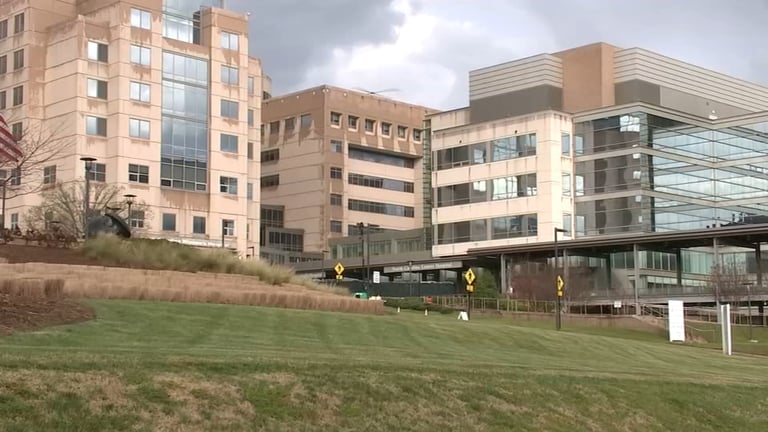


OpenAI Foundation launches a $40 million data-grant program via Data for Public Health to build high-quality scientific datasets that advance AI in medicine, starting with novel cancer vaccines and OpenAdmet, a drug-effect prediction platform.
The program aims to improve tumor antigen selection and vaccine formulations, potentially speeding personalized cancer vaccines toward clinical use, beginning with trials in triple-negative breast cancer.
Researchers Benjamin Vincent and Alex Rubinsteyn will gather and analyze de-identified tumor and immune cell data from three biobanks to train AI models that identify better tumor targets and guide vaccine design.
1Day Sooner has secured datasets from two disclosures and is pursuing more, highlighting the competitive and contentious race to acquire proprietary data from bankruptcies.
A core strategy is to obtain common technical documents from bankrupt entities, including regulatory correspondence and manufacturing and safety data, to give AI deep, real-world insights into drug development and regulation.
OpenADMET aims to cut drug development failure rates by using data to predict pharmacokinetics, drawing on precedents like AlphaFold2’s use of PDB data in CASP.
CTD Commons seeks to reduce duplication and cost in clinical research by providing open access to comprehensive drug development records, including toxicology, manufacturing, and FDA correspondence.
Ruxandra Teslo proposes using bankruptcy filings from failed biotech firms as a “biotech’s lost archive” to train AI for navigating the drug-approval process, with 1Day Sooner pursuing this approach via a half‑million‑dollar grant.
Teslo argues the drug-regulatory process is a “black box” and more data is needed to turn AI from theory into practical breakthroughs in curing disease.
Scientific data are framed as essential for research, with emphasis on large-scale observations and breakthroughs when models access broad, high-quality datasets.
The program invites ongoing collaboration and outlines next steps, including updates as science progresses and opportunities to contribute via [email protected].
Data access principles call for broadly available datasets with privacy safeguards, encourage grantees to publish analyses as preprints, share data continuously, and invite ideas plus four open roles in Life Sciences and Curing Diseases.
Summary based on 10 sources
Get a daily email with more Tech stories
Sources
ABC7 Los Angeles • Sep 15, 2026
OpenAI foundation gifts UNC Lineberger a $40M grant for research to improve cancer vaccines
ABC13 Houston • Sep 15, 2026
OpenAI foundation gifts UNC Lineberger a $40M grant for research to improve cancer vaccines
ABC11 Raleigh-Durham • Sep 15, 2026
OpenAI foundation gifts UNC Lineberger a $40M grant for research to improve cancer vaccines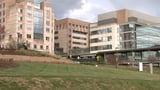
ABC7 New York • Sep 15, 2026
OpenAI foundation gifts UNC Lineberger a $40M grant for research to improve cancer vaccines