AI-Induced Hallucinations Spark Controversy: Author Calls for Transparency and Accountability in Revised Edition
October 6, 2026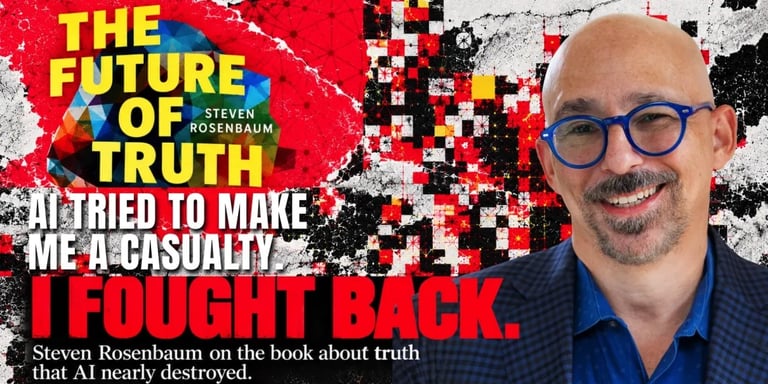

The author revisits the AI-generated hallucinations that surfaced in The Future of Truth and the backlash, culminating in a New York Times front-page piece accusing the book of containing AI-made quotes.
Rather than quitting AI, the author calls for responsible use, ongoing verification, and rebuilding reader trust through a public, accountable approach to AI-assisted writing.
The revised edition adds a new chapter on hallucinations and their impact across fields like law, medicine, and research, stressing transparency: use AI tools, keep human judgment in the loop, disclose, verify, and publicly correct mistakes.
The piece situates the controversy within broader systemic issues—AI’s speed and confidence bias, business incentives that prize rapid results over accuracy, and a lack of meaningful regulatory safeguards for AI content.
Although the editing process relied on extensive human effort, AI-generated fabrications proved more dangerous than initially thought, given the book’s central focus on truth and reliability.
An early incorrect quote attributed to Kara Swisher triggered public scrutiny and a reputational crisis for the author.
Recent real-world episodes show AI fabrication spreading beyond the book, including a forged Naomi Klein quote aired by Democracy Now!, with mis-citations appearing in court decisions and biomedical literature.
Publishers backed two human fact-checkers who helped revise 26 problematic quotes, resulting in a revised edition, The Future of Truth: Truth 2.0 Revised, published on October 6.
Summary based on 1 source