NATIVE-ID Project Harnesses AI to Combat Neurodegenerative Diseases with $28.6M ARPA-H Funding
October 10, 2026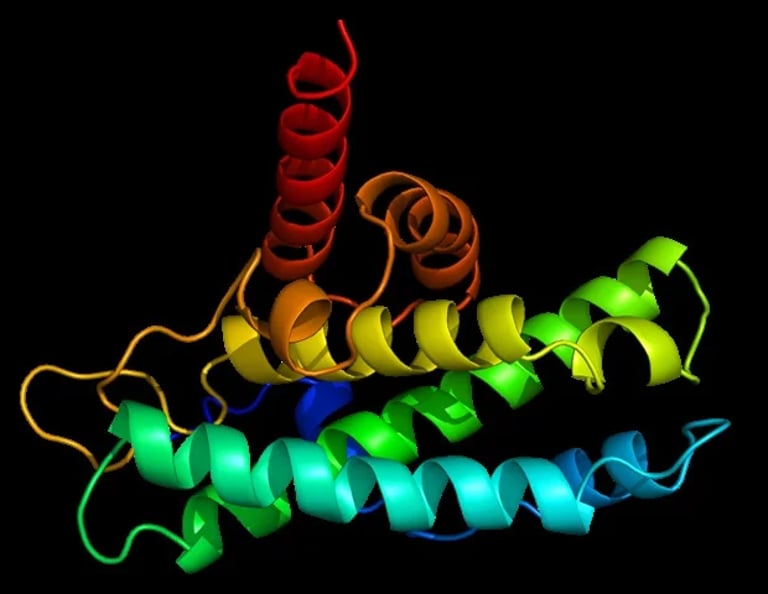

A new multi-institutional project, NATIVE-ID, aims to predict early protein dysfunction in neurodegenerative diseases by combining AI with large-scale experimental data.
The effort builds on prior work by Halfmann addressing Huntington’s disease polyglutamine proteins and TDP-43 in ALS/FTLD, which served as pilots for the current program.
Randal Halfmann’s lab at the Stowers Institute will run large-scale yeast experiments to see how amino-acid sequence changes affect protein aggregation, using Distributed Amphifluoric FRET (DAmFRET) technology.
Key collaborators include Alejandro Sánchez Alvarado, president of IGI, Kausik Si, the Scientific Director, and partners contributing expertise in human neuron models, deep learning, structural biology, and simulations.
Phase 1 of BIOGAMI will deliver foundational datasets and models over two 24-month periods, with Phase 2 focusing on validating therapeutics and early-dysfunction detection methods.
The project centers on intrinsically disordered proteins (IDPs), which lack stable structures but drive aggregation linked to neurodegenerative diseases such as Alzheimer’s, Parkinson’s, ALS, Huntington’s, and FTLD.
ARPA-H funding of up to $28.6 million will support the project, with the Stowers Institute contributing about $4.1 million over two years to generate vast experimental data on protein aggregation.
Researchers plan to measure aggregation tendencies for 50,000 proteins across more than 1 million samples, aiming for more than 10 billion measurements of protein aggregation.
Halfmann notes that decoding the “language” of IDPs could enable the creation of therapeutic IDPs to intercept harmful interactions driving neurodegenerative diseases.
The BIOGAMI initiative brings together UC Berkeley’s Innovative Genomics Institute, Brown University, Emory, Johns Hopkins, Parallel Squared Technology Institute, and Texas A&M under ARPA-H.
Initial efforts will focus on frontotemporal lobar degeneration (FTLD), with broader aims extending to other protein-misfolding disorders.
AI models will be trained on the generated data to predict when proteins are prone to misfolding or aggregation, enabling earlier preventive treatments or trial enrollment.
Summary based on 1 source
Get a daily email with more AI stories
Source
News-Medical • Oct 10, 2026
New project aims to predict early protein dysfunction in neurodegenerative diseases