Singapore's Logistics Sector Leverages AI and Automation for Modernization and Efficiency
October 13, 2026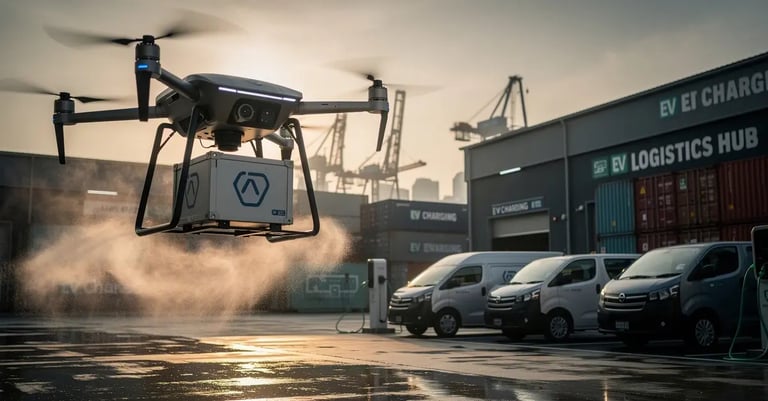

Singapore’s logistics sector is embracing AI and automation to overcome land constraints and labor pressures, driving more efficient supply chains as it maintains its role as a global trade hub.
Heavy-duty electric vehicles are supported by battery-swapping stations that allow battery replacement in about five minutes; a four-year trial funded with regulatory coordination from Enterprise Singapore and the Land Transport Authority is underway to improve fleet utilisation.
Industry-wide trends include AI-driven analytics, automated parcel sorting, and resilience-focused supply-chain management as part of Singapore’s modernization of its logistics ecosystem.
Despite the tech push, the human element stays crucial, with skilled roles in robotics maintenance, analytics, software integration, and cybersecurity, and smaller firms are advised to adopt technologies in phases to manage risk and ROI.
Digital forecasting platforms are being developed to improve stock replenishment monitoring and procurement planning, offering early supply-risk warnings and faster decision-making in response to disruptions.
Projects include vertical trailer parking that stores eight chassis in one lot, reducing land use up to sevenfold and freeing about 0.4 hectares, alongside digitised inspections and automated workflows.
Automation is expanding benefits beyond operations to procurement automation and predictive maintenance, while addressing challenges like system integration, cybersecurity, and workforce training.
Smart warehousing is growing with high-density, multi-level facilities and automated retrieval systems, aided by robotic shuttles and AI-driven storage decisions, exemplified by a DHL facility with 130 robotic shuttles achieving faster picking and space savings.
AI-enabled smart deliveries and real-time tracking enable route optimization, dynamic planning, and better shipment visibility, reducing travel and improving fleet utilisation while monitoring temperature for sensitive cargo.
AI-powered forecasting analyzes historical data, orders, seasonality, and market information to predict demand and optimize replenishments, capacity, and costs, with emphasis on clean data and ongoing model monitoring.
Enterprise Singapore supports these efforts through grants and programmes, transitioning from the Enterprise Development Grant to the EDGE Grant from late September.
Singapore’s Smart Nation framework and government support create a broader digitalisation ecosystem, though grants vary and eligibility must be assessed.
Summary based on 2 sources
Get a daily email with more AI stories
Sources
OpenGov Asia • Oct 12, 2026
Singapore Logistics Firms Expand Automation and EV Infrastructure - OpenGov Asia
Business News This Week • Oct 13, 2026
How Singapore’s Logistics Industry Is Using AI and Automation to Build Smarter Supply Chains