Smartphone Photography Revolution: AI and Software Overtake Hardware in Camera Quality
October 14, 2026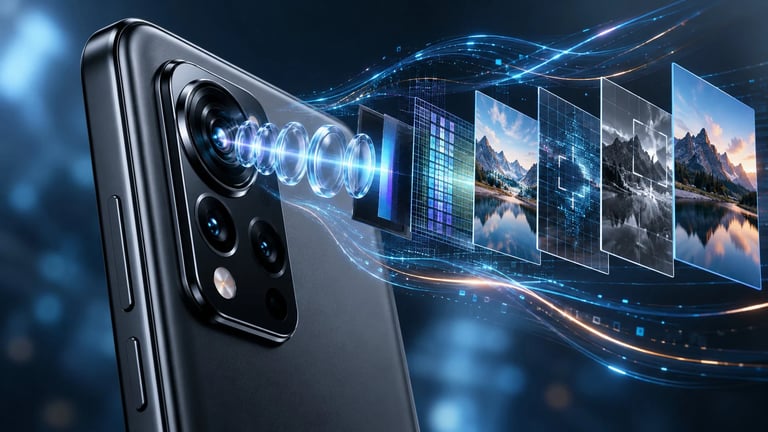

Smartphone camera quality now hinges more on software, AI, and computational photography than on hardware alone, due to physical limits of mobile devices.
AI-driven camera processing can detect scene elements like faces, skies, and vegetation to optimize exposure and color, though it raises questions about authenticity and potential reconstruction beyond the original sensor data.
Video processing is becoming more complex, with on-device and cloud-assisted approaches (such as Google Video Boost) used to improve lighting, stabilization, and noise in 4K footage, while considering internet access and cloud dependency.
Computational photography techniques like Google HDR+ and Night Sight merge multiple frames to boost detail and low-light performance, reducing the need for user manual adjustments.
Even with software advances, hardware remains relevant: sensor size, lens quality, optical stabilization, and dedicated telephoto lenses stay essential for tough scenarios and baseline image quality.
High-resolution sensors alone don’t guarantee better photos; final image quality depends on exposure decisions, noise reduction, sharpening, color, and dynamic range, largely driven by software.
The future of smartphone photography lies in deeper fusion of sensors, processors, and AI to deliver more consistent results across lenses, greater user control, and preserved authenticity and reliability.
Camera software updates can extend a device’s relevance after release by improving performance, though certain features still rely on specialized processors or sensors.
Summary based on 1 source
Get a daily email with more AI stories
Source

Android Headlines • Oct 14, 2026
Why Smartphone Cameras Are Becoming More About Software Than Hardware