AI Demand Remains Strong Despite Huang Controversy and U.S. Regulatory Risks
November 9, 2026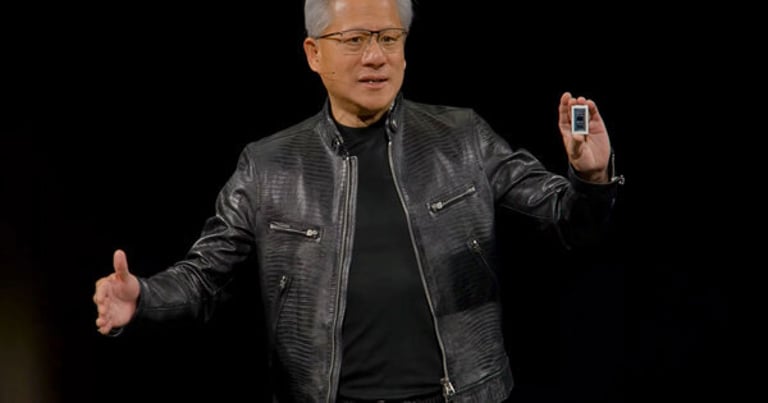

Taiwan’s semiconductor supply chain expects AI demand and the industry’s long-term growth to stay strong, despite controversy surrounding Jensen Huang and possible near-term regulatory headwinds.
The controversy followed reports alleging links between Huang and a Chinese intelligence operation; Nvidia opened an investigation and said it believed national-security information and corporate secrets had not been compromised.
Separately, three Republican lawmakers have sought a closed-door meeting with Huang to ask whether high-end chips and AI servers were being routed to China through third countries.
Taiwanese industry sources say competition with China makes a U.S. retreat from AI development unlikely, although the government could tighten oversight and introduce regulations in the short term.
Political opposition is already emerging: candidates who supported limits on data-center construction and higher electricity costs won governorships in Texas, Ohio and Georgia, while Goldman Sachs estimates regulation could affect about 45% of planned U.S. data-center capacity expansion.
UBS expects political resistance to delay projects, shift their locations or raise costs, rather than fundamentally change AI demand; it forecasts global AI-related capital expenditure to grow from $1 trillion in 2026 to $1.5 trillion by 2028.
Even if election results and the Huang controversy weigh on investment sentiment, Samsung Electronics and SK hynix are seen as relatively resilient because much of their future memory output is committed and they can adjust production expansion.
SK hynix has signed agreements with 14 major global customers, effectively selling out its DRAM and HBM volumes for the next three years; existing agreements cover more than half of its capacity for 2027–2028.
Samsung Electronics has long-term supply agreements with 10 major global customers and is negotiating with 10 more, aiming to cover 60%–70% of its 2030 production capacity.
Memory prices are expected to remain firm: SK hynix says shortages could persist until 2030, and industry observers expect next year’s average HBM selling price to more than double this year’s level.
Both manufacturers can reduce the risk of oversupply through a “Shell First” strategy, preparing cleanrooms ahead of time and installing equipment in line with demand.
Long-term memory demand also comes from mobile and automotive companies, which could partly offset any slowdown in data-center demand.
Summary based on 9 sources
Get a daily email with more Tech stories
Sources
Economic Times • Nov 10, 2026
AI demand unlikely to be derailed by Nvidia CEO controversy: Taiwan supply chain executives
ET Enterprise AI • Nov 10, 2026
AI demand unlikely to be derailed by Nvidia CEO controversy: Taiwan supply chain executives
ANI News • Nov 10, 2026
AI demand unlikely to be derailed by Nvidia CEO controversy, Taiwan supply chain sources say