IEA Warns Data-Centre Power Demand Will Double by 2030, Straining Grids
November 19, 2026


The International Energy Agency (IEA) says data-centre electricity use is on track to double by 2030, with artificial intelligence driving about three-quarters of the increase and sector-related emissions projected to rise 70%.
The build-out is already substantial: 93 facilities under construction are expected to add about 50 gigawatts of capacity, on top of 120 gigawatts worldwide today, most of it in China, the United States and the European Union.
Investors are expected to pour about $4 trillion into data centres globally by 2030, after an estimated $565 billion in 2025; developers may favor power sources that can be connected quickly, including gas.
But getting enough electricity to these projects is a major constraint, as crowded grids, tight supply chains and community opposition could delay connections, increase congestion and threaten reliability.
Onsite generation and batteries can help developers work around slow grid access, but they are only partial substitutes for investment in the wider power system.
Natural-gas generators can provide interim power, though rapid swings in AI data-centre demand may challenge those plants and make batteries and flexible grid operations more important.
The mismatch between clean-power commitments and actual supply is also notable: renewables account for nearly half of data-centre power-purchase agreements, while coal and gas still provide close to 60% of electricity generated for the sector.
Large, concentrated data-centre loads can drive investment in power plants and networks, creating affordability risks; smart-grid integration, flexible operations and policies that allocate costs fairly could help manage the pressure.
The IEA says it has found no clear overall link between data-centre growth and higher electricity prices: using existing capacity and paying for its costs could help lower bills, while upgrades spread across all customers could raise them.
The pressure extends well beyond data centres: peak electricity demand is forecast to rise 40% to 50% by 2035, requiring 26 million kilometres of new power lines as supplies of copper, cables and transformers remain constrained.
Across the IEA’s main scenarios, electricity’s share of global final energy consumption rises from 23% to nearly 30% by 2035, underscoring the importance of reliable grids as electrification accelerates.
The IEA stresses that its scenarios are conditional pathways, not predictions: its Stated Policies Scenario includes measures formally proposed but not yet adopted, while its Current Policies Scenario assumes no further policy action.
Summary based on 12 sources
Get a daily email with more World News stories
Sources

The Guardian • Nov 19, 2026
Datacentres to create 70% more carbon emissions by 2030, IEA report warns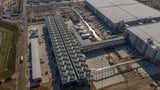
Unite.AI • Nov 19, 2026
IEA Scenario Links AI Growth to Doubling of Data Center Power Use
Impakter • Nov 19, 2026
Data Centre Emissions to Jump 70% by 2030