AI Matches Experts in TB Diagnosis, Offering India a Faster Path to Detection
November 20, 2026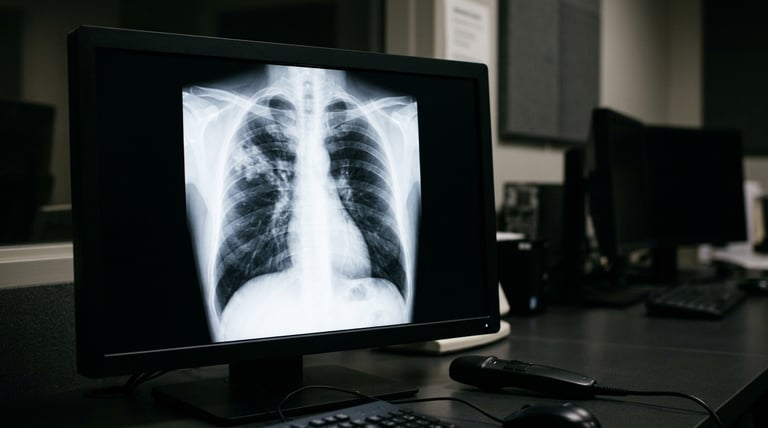

A review in *Molecular Medicine* finds that AI can match or exceed expert performance in tuberculosis diagnosis using chest X-rays and genomic data, potentially helping cut delays in detection and treatment.
The need is acute in India: TB incidence has fallen 21% since 2015 to 187 cases per 100,000 people, yet India accounted for 32% of the world’s estimated multidrug- and rifampicin-resistant cases in 2024.
AI could help address weaknesses in conventional diagnosis, including limited sensitivity, slow turnaround, demanding infrastructure and shortages of trained laboratory staff, especially in high-burden and resource-limited areas.
India began using AI-enabled X-ray devices for community and door-to-door screening in December 2024 through the 100-day TB Mukt Bharat Abhiyaan; the systems can flag possible TB within seconds, including in people without symptoms, and some can operate offline.
The programme uses DeepCXR, an AI chest X-ray reader developed by ICMR with the Institute for Plasma Research; by late 2025, the campaign had screened more than 19 crore vulnerable people and detected over 24.5 lakh TB cases, including 8.61 lakh in people without symptoms, with phase two continuing in 2026.
Deep-learning models analyzing chest radiographs have reported near-expert diagnostic performance, with area-under-the-curve scores approaching 0.95–0.99.
For drug resistance, machine-learning systems using whole-genome sequencing have achieved F1-scores above 90%, offering a faster alternative to culture-based susceptibility testing, which can take weeks and requires substantial infrastructure.
Those delays can leave clinicians choosing treatment without a full picture of resistance; ineffective drugs may slow recovery, contribute to treatment failure and further resistance, and allow transmission to continue.
AI can interpret complex next-generation sequencing data and produce drug-by-drug resistance reports, but results must be considered alongside a patient’s history, symptoms and other tests, and cannot replace laboratory expertise or clinical judgment.
Researchers are also developing multimodal systems that combine X-rays, genomic data and clinical information to support earlier, more individualized diagnosis, treatment selection and risk assessment.
Other Indian applications include PATO, which prioritizes follow-up for patients at risk of dropping out of care or dying; Haryana’s geospatial AI mapping to identify vulnerable areas; and a Hyderabad company’s use of Google’s HeAR cough-sound model, trained on about 100 million coughs, to support screening in resource-constrained settings.
Routine and equitable deployment remains constrained by ethical, regulatory and practical barriers, including inconsistent rules across jurisdictions.
Summary based on 2 sources
Get a daily email with more AI stories
Sources

BIOENGINEER.ORG • Nov 20, 2026
Artificial Intelligence Matches Expert Performance in Tuberculosis