Great Barrier Reef Faces 72% Coral Loss Amid Unprecedented Bleaching and Natural Disasters
November 19, 2024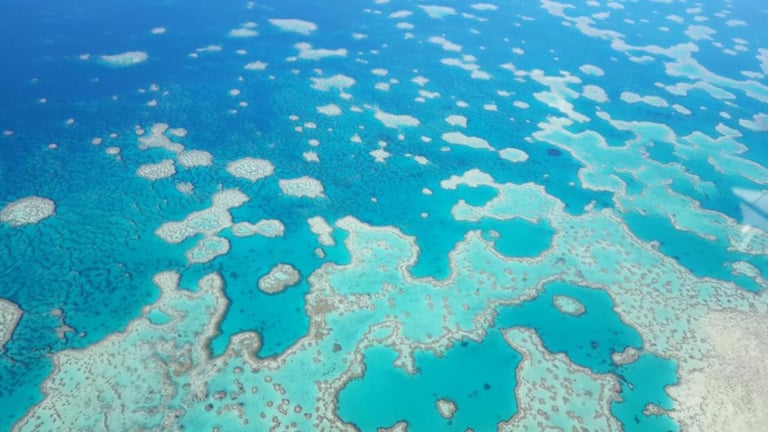

The Great Barrier Reef, a UNESCO World Heritage site and the world's largest living structure, stretches 2,300 kilometers along Queensland's northeast coast and is home to over 600 coral species and 1,625 fish species.
Recent findings from the Australian Institute of Marine Science, released on November 19, 2024, reveal alarming coral losses in the reef due to extensive bleaching and natural disasters.
The report indicates that the reef has suffered coral losses of up to 72%, with one northern section experiencing a one-third decline in hard coral, marking the largest annual decrease in 39 years of monitoring.
Lead researcher Mike Emslie emphasized that the previous summer represented one of the most severe events for the reef, characterized by unprecedented heat stress levels and significant losses.
Coral bleaching, which occurs when rising water temperatures cause corals to expel beneficial algae, has been a major factor in these losses, leading to coral death if high temperatures persist.
Manuel Gonzalez Rivero noted that the reef's increasing vulnerability to bleaching events is a direct consequence of climate change, with such events becoming more frequent and severe.
Richard Leck, oceans director at WWF Australia, expressed concern that the reef's resilience is nearing its limits, warning that repeated environmental stressors could push it past a tipping point.
Leck called for Australia to strengthen its emissions reduction targets to at least 90 percent below 2005 levels by 2035, highlighting the country's role as a major gas and coal exporter.
The study found that Acropora, a rapidly growing but vulnerable type of coral, faced the highest mortality rates among the surveyed species.
Despite the significant losses, preliminary results indicate that most reefs still maintain moderate coral cover levels between 10% and 30%.
The surveys conducted were part of a long-term monitoring program assessing the impact of a mass bleaching event and two cyclones that occurred between December 2023 and March 2024.
A comprehensive assessment of coral cover across the marine park is expected to be available by mid-2025, which will provide further insights into the ongoing health of the reef.
Summary based on 6 sources
Get a daily email with more World News stories
Sources
Phys.org • Nov 19, 2024
Parts of Great Barrier Reef suffer highest coral mortality on record
The West Australian • Nov 19, 2024
Reef coral battling after bleaching, natural disasters