Sydney Faces Urgent Need for Advanced Wastewater Recycling to Combat Ocean Pollution and Water Scarcity
February 1, 2025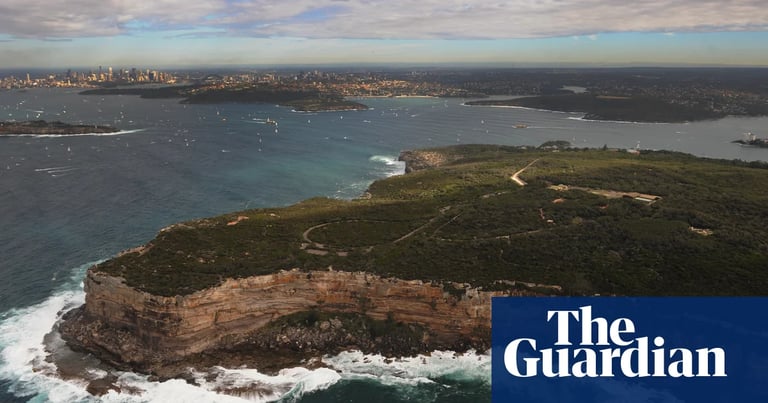

Professor Stuart Khan from the University of Sydney has highlighted the urgent need for Sydney to enhance its wastewater recycling efforts, as currently, 80% of sewage from its five million residents is treated only at primary levels before being discharged into the ocean.
With Sydney's population projected to reach seven million, the city faces increasing pressure to find alternative water sources due to climate challenges.
To address these challenges, Sydney Water plans to invest $32 billion over the next 15 years to upgrade the sewerage system, although waste will still be pumped into the ocean during this period.
As part of this initiative, Sydney Water is conducting a pilot scheme for recycled water at Quakers Hill, aiming to expand this program with a focus on cost-effectiveness.
Khan suggested that recycled water could initially be utilized for non-potable purposes, such as irrigating golf courses and supporting industries, while the purification of wastewater for drinking should be considered a longer-term objective.
The agency's long-term strategy includes processing more wastewater inland, with new facilities planned from Arncliffe to Quakers Hill to alleviate pressure on existing coastal treatment plants.
While upgrades to the Malabar, Bondi, and North Head sewage treatment plants are not planned, Sydney Water aims to reduce waste flowing through these facilities by improving other infrastructure.
There is a growing call for secondary treatment to be added to coastal plants to enhance wastewater processing before it is discharged into the ocean.
Experts have linked recent beach pollution to the city's reliance on coastal sewage treatment plants, which has resulted in the formation of debris balls, commonly referred to as 'fatbergs', on the beaches.
Testing by the NSW Environment Protection Authority has confirmed that these debris balls contain human-generated waste, including grease and fecal matter.
Currently, Greater Sydney relies on rainfall for 85% of its water supply, with a desalination plant in Kurnell providing water for up to 1.5 million people.
To fund the planned improvements, water bills are expected to increase, starting with an average rise of $4.70 per week in the first year.
Summary based on 1 source
Get a daily email with more Australia News stories
Source

The Guardian • Jan 31, 2025
Pumping sewage into the sea has long been a Sydney thing – and even $32bn won’t change that