Australia's Election Marks Historic Shift Toward Climate Action, Labor Poised for Bold Reforms
May 5, 2025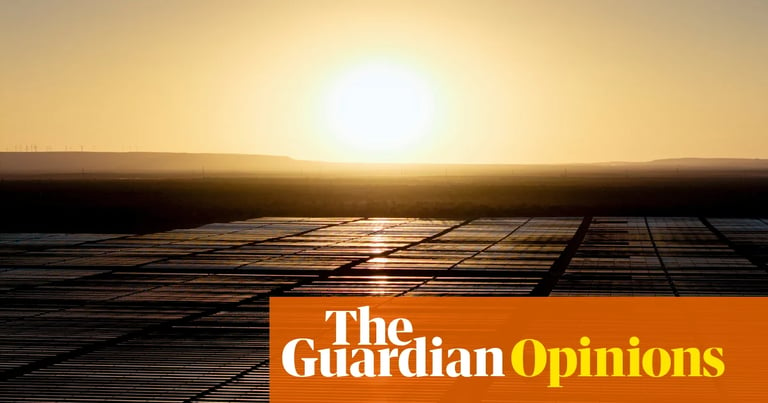


The recent election results in Australia signify a historic vote for climate action, reflecting a notable shift in public sentiment against climate denialism.
Voters have endorsed Labor's ambitious goal of achieving 82% of electricity from renewable sources such as solar, wind, and hydro by 2030.
With a progressive majority in parliament, Labor has a unique opportunity to implement bold climate policies, as public surveys indicate a strong demand for more ambitious action.
Despite minimal focus on climate policy during the campaign, Albanese and Chris Bowen's ambitious renewable energy targets garnered strong public support.
Looking ahead, Australia's potential hosting of the COP31 climate summit in November 2026 could bring increased international scrutiny on its fossil fuel export industry.
While the Greens saw a decline in House of Representatives seats, they maintained their strength in the Senate, where they hold the balance of power.
Support for independent candidates surged during the election, with approximately 1 million votes cast for those advocating for stronger climate action.
Prime Minister Albanese has committed to establishing a national environment protection agency and rewriting conservation laws, signaling a serious commitment to environmental reform.
Labor is developing decarbonization plans across six economic sectors, with an emissions reduction target set for 2035 expected to be announced by September 2025.
However, the effectiveness of Labor's climate policies, including the revamped safeguard mechanism, is being scrutinized as some major emitters have increased their pollution levels.
Labor has initiated several climate policies, including a capacity investment scheme for renewable energy and a vehicle efficiency standard aimed at promoting cleaner cars.
The Coalition's climate policies faced significant rejection from the electorate, indicating a strong public preference for Labor's approach to addressing the climate crisis.
Summary based on 1 source