Massive Dust Storm Blankets South Australia and Victoria, Triggers Hazardous Air Warnings and Power Outages
May 27, 2025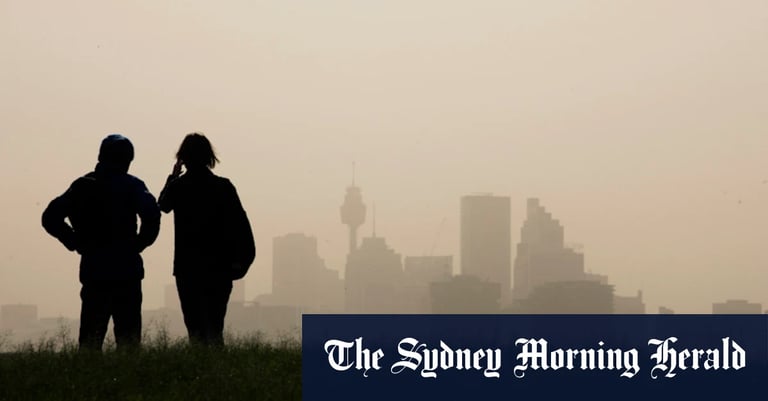


An enormous dust cloud swept across South Australia and parts of Victoria, impacting Sydney and the South Coast, prompting hazardous air quality warnings from the Bureau of Meteorology on May 27, 2025.
Schools, including Marcellin Campus at Sacred Heart College in South Australia, were closed due to safety risks from downed power lines during the storm.
The storm was triggered by strong winds from a cold front in drought-affected areas, where dry and loose soil facilitated the dust lift-off.
Despite the dust storm, some areas in New South Wales recorded heavy rainfall, providing a brief respite from ongoing weather challenges.
The Bureau of Meteorology noted that these conditions led to poor visibility and hazardous driving, resulting in some road closures.
Air Quality NSW reported extremely poor air quality levels, with locations like Parramatta North classified as 'hazardous' and PM10 levels exceeding 600 in several areas.
Health authorities advised residents, particularly those with respiratory conditions, to stay indoors and limit outdoor activities until air quality improved.
Future strategies to combat dust storms include improved land management, developing early warning systems, and utilizing satellite technology for monitoring.
The State Control Centre had issued warnings earlier for residents in the Mallee region to prepare for dust storms, which were exacerbated by dry conditions and strong winds.
Damaging wind warnings were issued for much of New South Wales, with gusts exceeding 90 km/h in some regions, contributing to power outages affecting around 3,500 properties.
Dust storms are becoming more common in Australia, a trend linked to climate change, which may increase the frequency and intensity of droughts.
The health risks associated with dust storms were highlighted by the 2009 event in Sydney, which caused a spike in respiratory illnesses.
Summary based on 5 sources
Get a daily email with more Climate change stories
Sources
The Guardian • May 27, 2025
Sydney dust storm: some residents advised to stay inside due to ‘extremely poor’ air quality
The Sydney Morning Herald • May 27, 2025
Sydney dust storm blankets city in yellow haze
Phys.org • May 28, 2025
Raining one week, dusty the next—how did a dust storm make it all the way to rainy Sydney?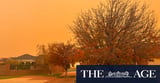
The Age • May 26, 2025
Residents warned of damaging wind as dust storm hits Victoria