Study Reveals Midlife Stress Crisis: Women Bear Heavy Load, Urgent Policy Changes Needed
November 20, 2025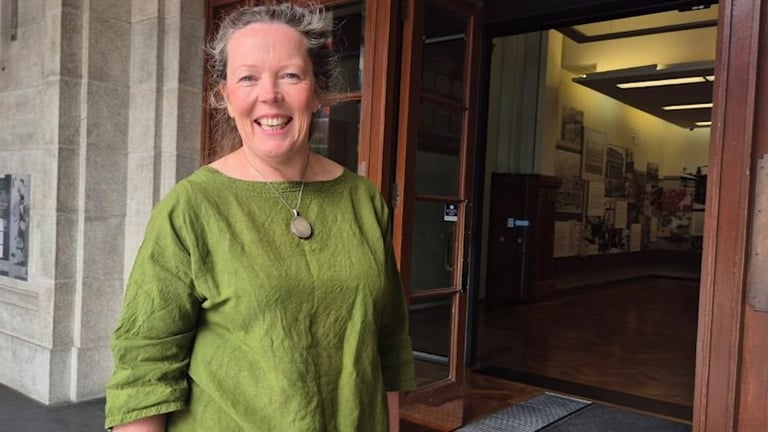

Midlife is characterized by a mix of work advancement, rising home responsibilities, and financial security pressures, yet life satisfaction in this group is at an all-time low.
About one in three midlife Australians experiences a major negative life event annually, with separation and financial hardship among the most damaging; financial stress markedly increases separation risk, and single parents, especially women, report the lowest life satisfaction.
The gender pay gap remains around 30%, with men having roughly $100,000 more in superannuation in midlife; dual-income households face high living costs, and single parents are particularly at risk of poverty.
A Bankwest Curtin Economics Centre study on Australians aged 33 to 55 finds midlife stress and burnout are driven by time poverty and unpaid care, with women in their 40s and 50s bearing the heavier load.
The report shows middle-aged women spend about 12 extra hours per week on housework and caregiving and experience around 13 percent more time stress than men; at age 48, one in ten women care for both children and aging parents, double the rate for men.
Proposed policy responses include expanding mental health and workplace wellbeing programs, a universal Carer’s Card, better access to affordable early education and care, extended flexible work rights, more shared care arrangements, stronger community participation, and targeted reforms to retirement security.
Within this group, Fiona and her husband are comparatively stable financially but remain mindful of rising costs.
The report argues that policy must address the intersection of financial stress, caregiving, and relationship risk, and emphasizes rebuilding social connection through flexible work, community programs, and social infrastructure.
To sustain wellbeing and civic participation, there is a call to rebuild social infrastructure, promote flexible work, and expand financial supports that strengthen midlife resilience.
Financial stress, relationship breakdowns, and unpaid care burdens are interconnected and require coordinated policy responses rather than isolated fixes.
Overall, supporting middle-aged Australians is framed as an investment in the wellbeing of all generations, with a strong middle enabling broader societal benefits.
Community engagement and social trust have declined, with volunteering among 35–55-year-olds dropping from 60% in 2010 to under 44% in 2022, and a notable share report rarely participating in community activities.
Summary based on 4 sources
Get a daily email with more Australia News stories
Sources

Phys.org • Nov 20, 2025
Middle-aged are the engine room of Australia but many risk burnout, report finds
News-Medical • Nov 19, 2025
Middle-aged Australians experience the highest levels of stress, burnout and emotional fatigue

Women's Agenda • Nov 19, 2025
Time poverty and burnout spike for middle-aged women in Australia, report warns