WA Faces Housing Crisis: Rent Prices Soar 66% in 5 Years as Wage Growth Lags
February 11, 2026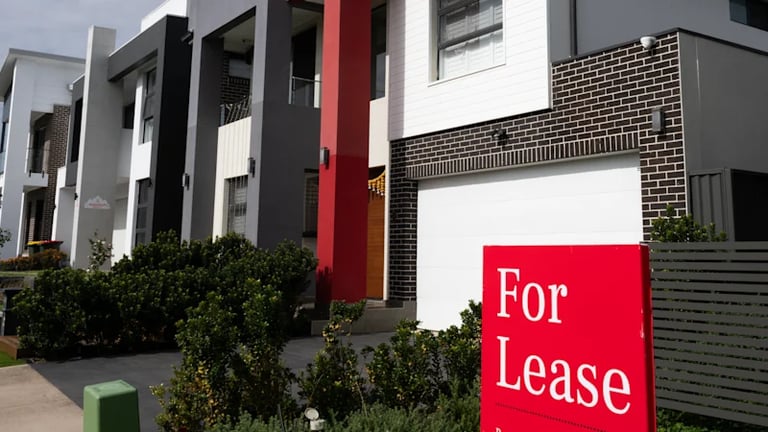

Western Australia leads Australia in rental price growth, with rents rising around 66% over five years while wages rose about 18.5%, intensifying the state's housing affordability crisis.
In the year to January 2026, Perth rents rose roughly 6.2% on average, outpacing the national rate of 5.4%, while regional WA saw the largest jump at about 10.1%.
National rents climbed about 43.9% over the same five-year period, with wage growth at roughly 17.5%, making WA's surge the strongest in the country.
Unaffordability is driven by high demand relative to limited supply, decades of under-investment in social housing, and a short-term rental market that crowds out long-term rentals.
Tim Lawless of CoreLogic notes the trend diverges from pre-pandemic patterns when rents and wages moved more in tandem, attributing current dynamics to supply constraints and ongoing demand pressures.
Renters are now spending about 33.4% of pre-tax income on rent, highlighting the squeeze on household budgets amid limited new housing supply and shifting household sizes since 2020.
There are calls for government action, including a rent-stabilisation initiative and extending the Rent Relief scheme beyond June 2026 to provide ongoing support for renters.
Experts warn affordability may not improve soon due to near-record-low vacancy rates and a lag between housing completions and population growth, unless wages rise materially or rental supply increases.
Market observations in Duncraig show intense competition with rapid viewing-to-application-to-approval timelines and renters offering over asking, though landlords may still reject the highest bid for other reasons.
The WA Make Renting Fair Alliance urges legislation linking rent increases to inflation or a fixed percentage, arguing current rises threaten renter affordability and stability.
Supply shortages and tight vacancy rates are driving rent increases, with Perth exhibiting high demand and fast rental turnovers, as properties lease within days of listing.
Dr. Peter Tulip notes that the ACT’s lower rent growth correlates with faster building activity, with the ACT approving about 11 buildings per 1,000 residents annually, higher than the national average.
Summary based on 2 sources
Get a daily email with more World News stories
Sources
The Sydney Morning Herald • Feb 10, 2026
WA’s rental crisis in numbers: Rents outpace wage growth at alarming rate