Shadow Treasurer Sparks Controversy with Call to Prioritize Inflation Over Employment in RBA Policy
February 19, 2026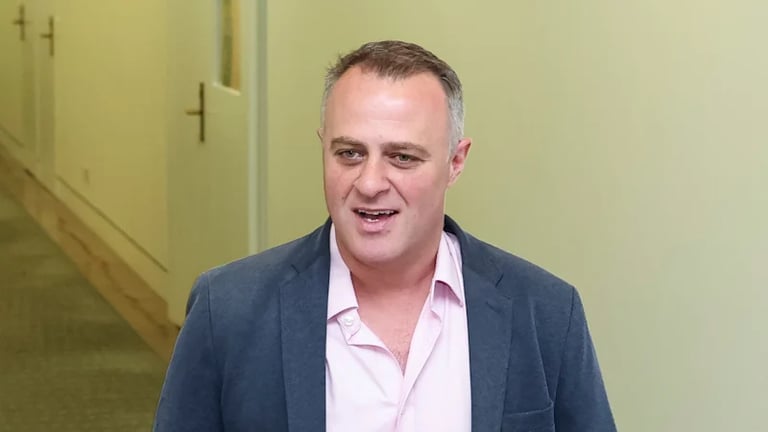

Chalmers and others call for fiscal restraint to curb inflation, arguing government policy is fueling inflation and hindering productivity.
Wilson also proposes taxing reforms, including raising the top marginal rate to encourage work and entrepreneurship and to incentivize risk-taking and business creation.
The new shadow treasurer signals support for the Reserve Bank of Australia’s dual mandate but urges a review to tilt policy more toward lowering inflation.
His remarks trigger immediate political backlash, with opponents accusing the proposal of risking higher unemployment and the ACTU labeling it disgraceful for prioritizing jobs losses.
The discussion centers on whether the RBA should recalibrate the balance between inflation control and employment, with Wilson framed as potentially shifting toward a stronger inflation focus within the existing framework.
Wilson argues for moving away from the traditional inflation-and-full-employment mandate toward a clearer priority on reducing inflation.
Wilson warns reforms could cause sharper interest-rate cycles, deeper downturns, and more job losses in exchange for slower price growth.
The debate reflects a broader political struggle over how to balance inflation, employment, and government spending in Australia’s economy.
The Liberal party’s broader strategy appears to be positioning monetary policy within a bid to win back the populist right.
Unemployment sits at 4.1%, with Wilson arguing the economy doesn’t have an unemployment problem and inflation should be prioritized.
Treasurer Jim Chalmers defends the current dual mandate and characterizes Wilson’s stance as a mistake that would lead to higher unemployment.
Opposition figures and labor allies warn that adopting a more aggressive inflation focus could raise rates and unemployment, stressing the dual mandate’s bipartisan roots.
Summary based on 3 sources
Get a daily email with more World News stories
Sources

The Guardian • Feb 19, 2026
Tim Wilson walks back suggestion Liberals would rethink RBA full employment mandate
The Guardian • Feb 19, 2026
Is Tim Wilson an ‘inflation nutter’? Why the new shadow treasurer’s RBA comments are making waves
The Sydney Morning Herald • Feb 18, 2026
Radical RBA overhaul could hike rates, keep prices lower: Tim Wilson