Phillip Island Residents Secure Major Land Tax Reductions Amid Overvaluation Dispute
May 4, 2026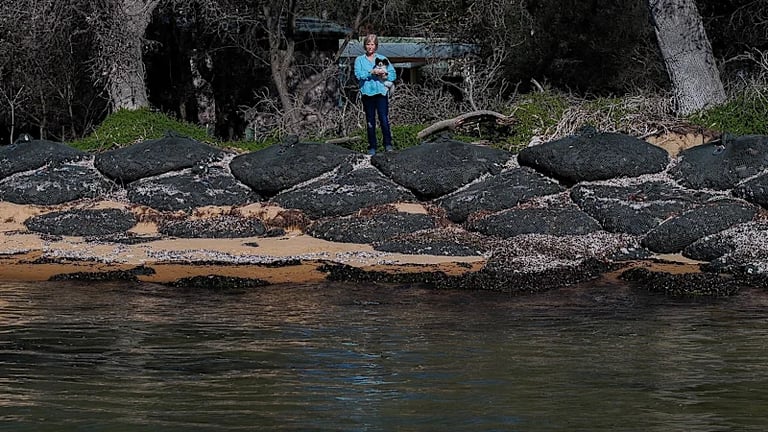


The 2019 creation of Land Subject to Inundation Overlay and 1953–2024 coastal erosion have driven up development restrictions and insurance costs, affecting property values and planning policies.
Residents of Silverleaves on Phillip Island won substantial reductions in land tax after contesting valuations they felt were overstated due to flood risk overlays and coastal erosion that limit development.
Local voices, including officials and residents, stress the need for accurate valuations and encourage reporting planning changes or site conditions to the Valuer-General.
They argue valuations inflated by Melbourne Water flood overlays and ongoing coastal erosion, which constrain buildability and raise insurance and development costs.
The state government faces a potential revenue impact as land tax is forecast at about $6.4 billion for the current year, prompting scrutiny of statewide valuation accuracy.
Melbourne Water says it applies guidelines consistently for flood-affected developments, evaluating factors like flood levels, footprint, and finished-floor levels for each project.
Recent High Court guidance on site improvements may have influenced reassessments, though officials say the Silverleaves adjustment wasn’t a direct result of that decision.
Even after rulings, only objectors received new valuations, with others notified of a 2027 reassessment, fueling perceptions of inequity and talk of a potential ‘tax grab.’
The broader concern of overvaluation in flood or bushfire zones is prompting calls for a statewide valuation review by opposition parties and tax professionals.
Residents insist valuations should reflect actual usability, especially where flood overlays and erosion severely limit buildability and future value.
A 2025 High Court ruling on assessing land tax based on vacant land site value has led to some reductions (e.g., a property dropping from $775,000 to $175,000), signaling potential overcharges in similar cases.
Experts urge objecting to or querying land tax bills if valuations may be inflated and advocate for proactive corrections and refunds where overcharging is evident.
Summary based on 2 sources
Get a daily email with more Climate change stories
Sources

ABC News • May 4, 2026
Phillip Island residents take on government over 'incorrect' land tax bills
The Age • May 3, 2026
The sea is coming for this coastal town, but the land tax kept rising