Revolutionary Mosquito Control Method Shows 95% Success in Australia, Eyes Expansion to US
July 21, 2026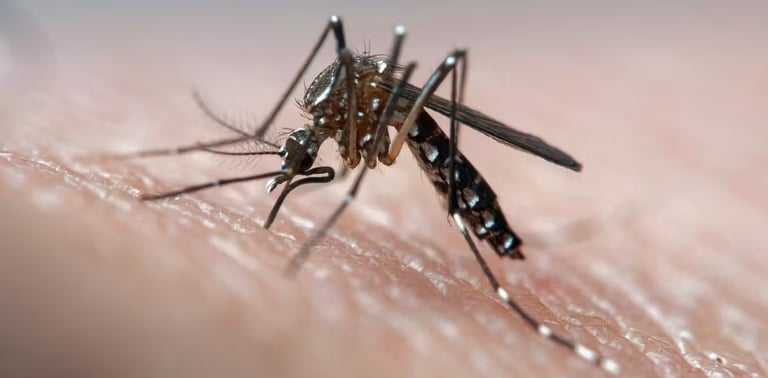


Verily contributed machine-learning-based sex separation to ensure only males were released, demonstrating the feasibility of large-scale deployments.
Key US takeaways include that ecological impact is likely small due to the invasive status of Aedes aegypti in urban settings, suppression can be achieved at scale with ongoing releases, and benefits may persist after releases, contingent on local ecology and community participation.
Alphabet/Google plans to release up to 32 million sterilised male mosquitoes in California and Florida, targeting roughly 16 million releases per year for two years to suppress disease-carrying populations.
Results showed rapid suppression within four weeks in treated towns, with one town maintaining up to about 95% suppression into the following year, while control towns showed no such effect.
Trials in the Innisfail region released Wolbachia-infected male mosquitoes that do not bite and mate with wild females to prevent viable offspring, achieving substantial population suppression.
In a decade-long effort in north Queensland, Australia, researchers tested releasing Wolbachia-infected sterile-micking male Aedes aegypti to suppress the invasive mosquitoes responsible for dengue, Zika, chikungunya, and yellow fever.
The Queensland program showcased a model of cross-institution collaboration among six universities and industry partner Verily, accelerating lab concepts into real-world field trials and guiding similar efforts abroad.
The collaborative framework brought together researchers, universities, and industry to move from concept to field deployment more rapidly.
Implications for the US mirror the Australian experience: small ecological footprint, scalable suppression, and persistent benefits depend on local ecology, movement patterns, and community involvement.
The Debug Innisfail project (2015–2018) released roughly three million Wolbachia-carrying male mosquitoes across three towns, aided by community engagement, regulatory approvals, and machine-learning-based gender sorting.
Regulatory permissions are being pursued to enable these large-scale releases, aiming to reduce disease risk through population suppression.
Ongoing work focuses on improving male separation technologies and expanding deployment to developing countries where Aedes aegypti is expanding, especially as insecticide effectiveness wanes.
Summary based on 2 sources
Get a daily email with more Science stories
Sources

The Guardian • Jul 21, 2026
Google wants to release 32 million sterile mosquitoes. Our Australian tests offer a valuable lesson