Australia Sets National Standards for Data Centres to Protect Communities and Resources
August 24, 2026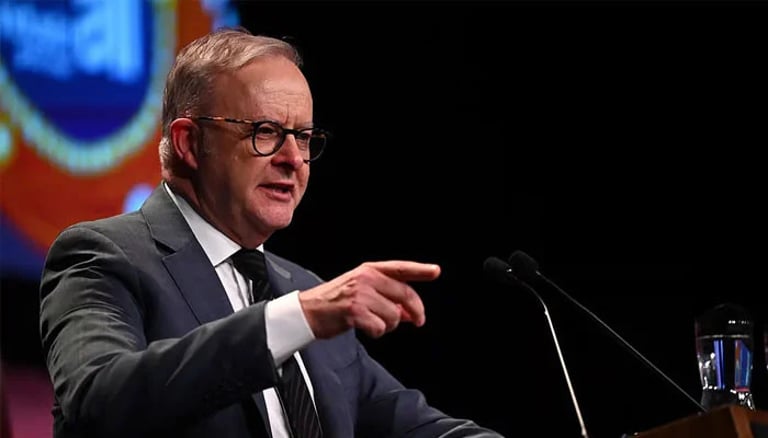


Australian Prime Minister plans a national framework to ban large data centres near schools, homes, and prime farmland, and to set national minimum standards for water and energy use to minimize community impact.
The legislation would establish nationally consistent obligations for datacentres, including not driving up energy prices, covering infrastructure costs, and minimising water use, with pre-existing projects under state laws exempted.
Energy standards for AI data centres will be set at the National Cabinet level, though some states express opposition or opt out.
Economists warn regional variations where renewables cost more could allow gas-fired peaking plants to power centres if exemptions are granted.
Queensland and the Northern Territory resist the framework, seeking autonomy over their energy mixes and grids, including continued reliance on gas, coal, and renewables.
Investors and operators highlight a large-scale investment backlog—roughly $40–$50 billion and about 23,000 ongoing jobs (excluding construction)—tied to the policy.
The national cabinet delivers a flexible, common position that permits two to three distinct approaches across jurisdictions and does not explicitly mandate renewables.
AEMO notes ongoing uncertainty as many 2025 projects were cancelled or slowed, with ramp-up times for existing facilities and the need for new generation and storage to improve reliability.
Industry welcomes a single national framework but warns exemptions could threaten timely delivery of clean, firmed power and global competitiveness.
An additional $125 million is allocated to bolster the national biosecurity response to the H5 bird flu crisis, to be shared between states and the federal government.
The communique calls for continued consultation on consistent mandatory standards for energy, water, and land use to attract investment despite regional policy differences.
Queensland and NT concessions indicate ongoing policy divergence on data-centre energy policy, with timing challenges as centres may operate before new renewable capacity meets demand.
Summary based on 18 sources
Get a daily email with more World News stories
Sources

TNW | Au • Aug 25, 2026
Australia is preparing to impose its data centre energy rules over Queensland’s objection
The West Australian • Aug 24, 2026
Anthony Albanese’s push to drive Australian economy with artificial intelligence
DAR AL-SHARQ GROUP • Aug 24, 2026
Australian PM wants to ban data centres near schools