Australia Shifts to Income-Based Health Insurance Rebates, Sparking Debate on Elderly Care Impact
August 25, 2026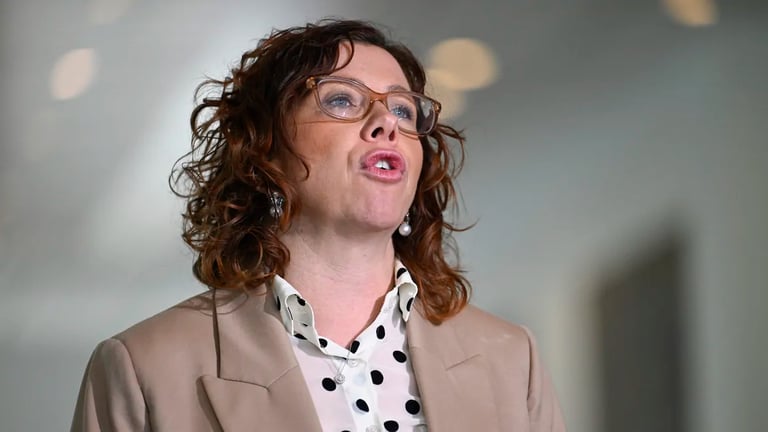

The Australian government is reforming private health insurance rebates for older Australians by removing the age-based top-up while keeping other rebates, framing it as a move toward a universal, income-dependent rate and aiming to save about $3 billion over forward estimates.
The plan, announced in early 2026 and slated to take effect in 2027, would replace the higher rebate for those over 65 with a standard, income-based rate that applies to all ages, with government modelling suggesting modest participation impact but significant debate over coverage and hospital implications.
Separately, more than 3,700 aged care patients are currently stranded in public hospitals nationwide, up from about 2,500 nine months earlier, highlighting strain on hospital discharge planning and bed availability.
The NSA led a campaign against the changes, coordinating meetings with MPs and Senators, media engagement, a petition, and collaboration with private hospitals and insurers to oppose the reform.
Proposed savings would fund expanded aged care, including 5,000 additional aged-care beds per year and removing co-payments for showering, dressing, and continence care under the Support at Home program.
Stories like that of 83-year-old pensioner Mary Parsissons illustrate the personal financial strain and potential underinsurance that could result from rebate cuts.
Government officials frame the policy as modest in impact on private health participation, with the $3 billion in savings redirected toward expanding aged care and home care packages.
Employment Minister Amanda Rishworth defended the changes as a difficult, necessary measure to manage taxpayers’ money, noting that rebates would remain income-based with a maximum 24% threshold.
Ministers argue the move is fiscally necessary and part of a broader shift to a universal rebate structure, while acknowledging ongoing challenges in hospital bed management.
Analyses indicate that private health insurance uptake is driven more by health needs and habit than by incentives, and subsidies may not meaningfully relieve pressure on public hospitals.
NSA released an estimator showing typical annual premium impacts, with averages around $250 per person and potential increases over $1,000 per year for couples with Gold cover.
The government defends the plan as part of a package that includes 5,000 aged care beds per year by 2029 and a national hospital funding deal aimed at improving access and reducing waiting times, while noting ongoing bed management challenges.
Summary based on 5 sources
Get a daily email with more Australia News stories
Sources

The Guardian • Aug 26, 2026
Ending private health rebate for Australians 65 and over is ‘good policy change’, report co-author finds
news.com.au — Australia’s leading news site for latest headlines • Aug 26, 2026
‘Ripping out the rug’: Fury at insurance move
The Nightly • Aug 25, 2026
Labor health insurance changes: Amanda Rishworth grilled as 1.2 million older Australians affected