Australia's Rising Dependence on Russian-Origin Oil Sparks Sanctions Debate
September 22, 2026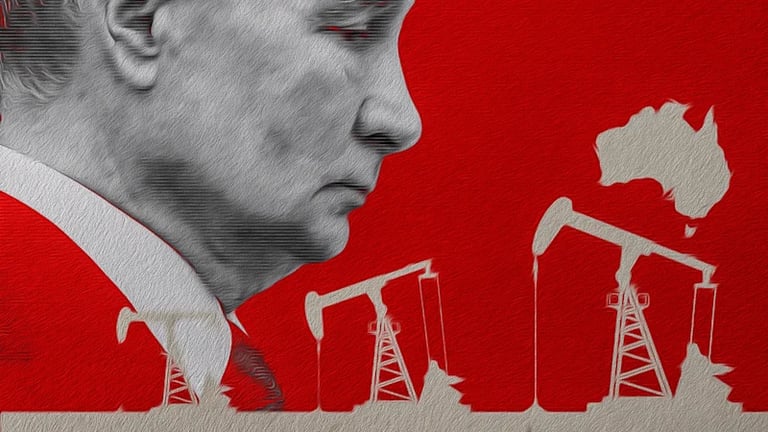

A CREA analysis shows that 68% of oil exported from Brunei's Hengyi refinery to Australia in the first seven months of 2026 was Russian-origin, a sharp rise from 24% two years earlier.
Officials stress maintaining fuel supplies while tightening sanctions, with ongoing talks among allies to close loopholes that let Russian oil enter the market.
Ukrainian-Australian groups and CREA are pressing for a full ban on petroleum products derived from Russian crude.
The coverage places the issue in the wider debate over 'blood oil' and sanctions effectiveness, including industry and political responses and related inquiries.
The report uses specific figures and timelines—for example, a 68% share, 2.6 million tonnes, and the first seven months of 2026—to illustrate trends.
Australia bans direct imports of Russian oil, but a loophole allows Russian crude refined in third countries to enter as refined products.
DFAT says it has imposed sanctions and is evaluating further steps to curb oil from Russia and safeguard supply chains from funding Moscow’s war.
The issue is tied to upcoming events, including a meeting between Prime Minister Albanese and Zelensky at the UN General Assembly and a pledged security pact.
Australia has imported about 2.6 million tonnes of Russian-origin oil from Hengyi since the Ukraine war began, predominantly as diesel.
Hengyi accounts for a large share of Australia-bound oil products, representing about 43% of Hengyi’s export volume.
Hengyi’s Russian crude share surged, reaching 88% between April and June 2026, after rising from 5% in 2022 to 37% in 2023.
Overall, Hengyi’s Russian crude share climbed from 37% in 2023 to 72% in the first seven months of 2026.
Summary based on 1 source
Get a daily email with more World News stories
Source
The Sydney Morning Herald • Sep 22, 2026
Funding Putin: ‘Blood oil’ imports from major Asian supplier surge