Dramatic Drop in Calf Sightings Signals Stress for Humpbacks Off Western Australia
October 28, 2026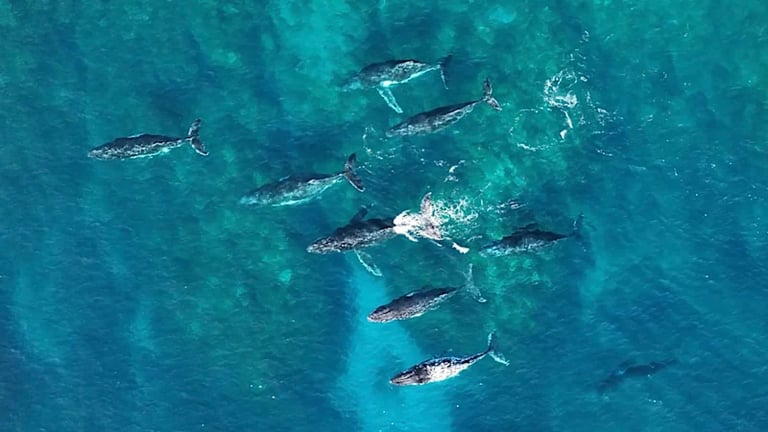

In Exmouth, calf sightings have dropped dramatically, signaling potential broader population stress among humpbacks off Western Australia.
Strong El Niño conditions may be influencing ocean temperatures and currents, possibly increasing whale carcass washups through altered carcass distribution.
Experts warn energy constraints could be limiting reproduction and that prey-driven shifts in migration routes may be occurring.
Overall, the situation is developing with possible long-term consequences for humpback populations along Western Australia’s coast.
Lower krill abundance, linked to warming seas and reduced Antarctic sea ice, is a key factor reducing energy intake for humpbacks and affecting reproduction and survival.
Researchers caution the decline could reflect carrying capacity dynamics, where the population overshoots and then declines as resources dwindle after the whaling era.
An uptick in whale carcasses washing up on Perth beaches has coincided with shark warnings issued by authorities.
Experts note unusual patterns such as calves being 50–60% fewer in some regions and odd migration behavior (pods heading south, then north, then south again).
Observations of a calf with heavy whale lice infestation suggest health stress within the population.
Summary based on 1 source
Get a daily email with more Australia News stories
Source

WAtoday • Oct 28, 2026
As WA’s whale migration numbers drop, more carcasses wash up at Perth beaches