WA Police Conclude Facial Recognition Trial: Privacy Concerns and Regulatory Gaps Loom
November 2, 2026


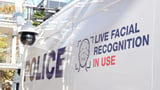
WA Police completed a five‑month trial of overt live facial recognition, scanning 1.38 million faces, generating 292 alerts, and resulting in 122 arrests across 100 deployments in regional and metropolitan areas.
During the trial, 146 registered sex offenders and 10 individuals requiring welfare checks were identified, with nine incorrect alerts recorded—an error rate of 0.00065 percent.
Over the same period, more than 223,700 faces were scanned, producing 15 alerts, 3 arrests, and identifying seven alleged sex offenders.
Legal experts note general privacy laws include exemptions for law enforcement, creating a regulatory gap with limited guardrails beyond data handling duties.
The Office of the Information Commissioner WA stresses privacy concerns and calls for transparency and accountability to build public trust, highlighting higher risk with biometric data.
Public deployment ended with an internal evaluation of performance and community impact; surveillance vans were removed from public deployment.
Officials conveyed cautious optimism about the technology’s potential in frontline policing and signaled future review.
The federal government has shown interest in a model law but has not enacted it, underscoring ongoing regulatory gaps as research examines constant surveillance effects.
WA Police will mitigate public unease by providing clear signage and online deployment information, aiming to balance public safety with privacy.
Experts warn continuous real‑time facial recognition could enable population‑wide surveillance and mass policing without clear usage thresholds.
Civil liberties groups criticized the framing of the error rate and privacy watchdogs had warned of harms; they were not involved in the trial.
Context notes highlight backlash over privacy and potential algorithmic bias, with concerns about disproportionate effects on marginalized groups due to higher false‑match rates for darker skin tones.
Summary based on 4 sources
Get a daily email with more World News stories
Sources

The Guardian • Nov 2, 2026
Police use facial recognition to scan one million faces in WA trial leading to 122 arrests
news.com.au — Australia’s leading news site for latest headlines • Nov 3, 2026
1.3m faces scanned in major police AI trial