Western Sydney Residents Mobilise Against Data Centre Boom as Projects Face Growing Opposition
November 12, 2026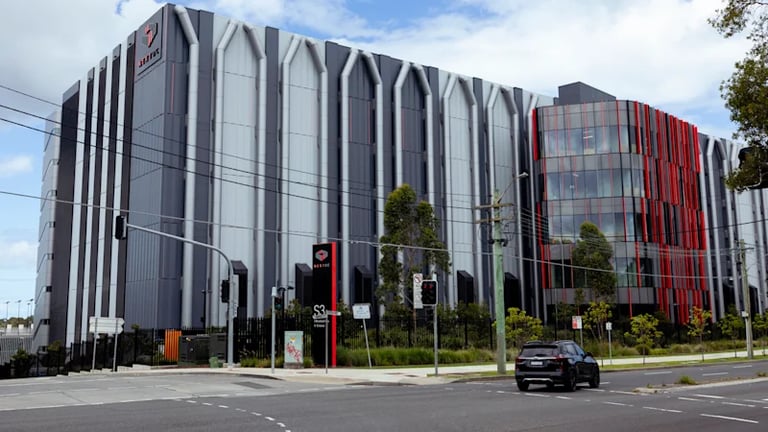


A grassroots campaign called Stop the Slop, founded by Christie Duong and built around a core group of eight mostly young people, is organizing western Sydney residents against a fast-growing cluster of data-centre proposals.
The campaign is focused on western Sydney, where existing facilities and a wave of new proposals have made the region a target for further development; organizers want governments and developers to take local concerns seriously.
One major target is AirTrunk’s proposed $7 billion data centre in Kemps Creek, near three schools, which would cover 52 hectares and draw 1.2 gigawatts of power—about as much electricity as one million Australian homes use annually.
Opponents say the scale of proposed centres raises serious questions about electricity and water use, emissions, and effects on nearby neighbourhoods, while residents elsewhere have also cited noise, traffic, road damage, housing pressure and energy prices.
Resistance is spreading beyond western Sydney, including in Victoria, where residents have organized against major projects and raised concerns about their proximity to homes and schools.
Local campaigns have already helped prompt the withdrawal, rejection or delay of proposals in Sydney’s north shore, the Blue Mountains and along the Cooks River, encouraging western Sydney activists to coordinate their efforts.
Campaigners are sharing tactics through informal networks and online resources, although they have not yet formed a formal national coalition.
Supporters argue the sector could deliver substantial economic gains: IBISWorld research analyst Andrew Ledovskikh and advocate Belinda Dennett have pointed to a potential $4.1 billion in annual value and Australia’s renewable-energy advantages.
The stakes are rising as Westpac Economics estimates data-centre investment could exceed $155 billion over the coming decade, with most planned facilities concentrated around Sydney and Melbourne.
Australia currently has about 2.3 gigawatts of data-centre capacity across 79 centres, while proposed projects could lift that to between 23 and 67 gigawatts; Commonwealth Bank research offers a much lower forecast of 9 gigawatts by 2035.
A NSW parliamentary inquiry has called for smarter planning, including designated precincts with shared energy and water infrastructure, while its guidelines say data centres must protect community needs, pay for resources and manage environmental impacts.
Federal rules require data centres to secure continuous power from new renewable sources in the same state, and Deputy Prime Minister Richard Marles has said they should be built far from residential areas.
Summary based on 6 sources
Get a daily email with more Tech stories
Sources

The Sydney Morning Herald • Nov 12, 2026
‘Stop the slop’: Meet the young people fighting western Sydney’s data centre rush
The Sydney Morning Herald • Nov 12, 2026
The pushback on data centres is democracy at work