Australia Draft Advice Backs Puberty Blockers for Some Young People, Calls for Case-by-Case Decisions
November 16, 2026


Australia’s National Health and Medical Research Council (NHMRC) has issued draft advice supporting puberty suppressants for some people under 18 with gender incongruence, with care decisions made case by case by young people, their families and clinicians.
The interim advice says a young person must have started puberty, experience a difference between their gender and the sex recorded at birth, and be assessed as suitable by clinicians in consultation with parents; treatment is not considered appropriate for everyone.
The advice calls for shared decisions that weigh the available evidence, possible benefits and harms, personal circumstances and the young person’s preferences, while considering their best interests, wellbeing and autonomy.
The draft says gender incongruence is not itself a mental health disorder and does not require distress or a mental-disorder diagnosis for care to be considered; some young people experience distress related to the incongruence, known as gender dysphoria.
The NHMRC’s evidence review found the overall evidence to be of low certainty, in part because randomized trials are lacking, though the committee noted ethical and practical concerns with such trials and concluded potential benefits probably outweigh risks for some young people.
The review found low-certainty evidence of improved mental health outcomes, but Mark Butler said uncertainty also exists in guidance for other areas of care and makes clinical advice important for practitioners.
The NHMRC rejected “wait and see” approaches that withhold care, saying they can affect young people’s physical and mental health, wellbeing and ability to function.
Puberty suppressants pause unwanted physical changes by suppressing oestrogen and testosterone; possible effects include reduced bone density and fertility, while long-term effects remain under investigation.
The treatment temporarily delays puberty and usually allows it to resume when medication stops; many young people who begin treatment later take estrogen or testosterone.
The advice could increase pressure on states and territories that restrict access in public hospitals, but it is not legally binding and those governments control access through their public health systems.
Queensland and the Northern Territory retain restrictions on puberty suppressants in their public health systems and ruled out changes on November 16, 2026; long waiting lists and costs that can exceed A$5,000 a year are also barriers.
Health Minister Mark Butler urged states and territories with bans to follow the national advice, saying he expected governments to consider it closely and had commissioned the review because the issue is contested and evolving.
Summary based on 5 sources
Get a daily email with more Science stories
Sources


news.com.au — Australia’s leading news site for latest headlines • Nov 16, 2026
Big update on puberty blockers for kids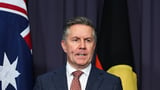
The Sydney Morning Herald • Nov 16, 2026
Butler challenges states to allow puberty blockers
Medical Xpress • Nov 17, 2026
What's the new advice about puberty blockers for trans and gender‑diverse children?