Study Uncovers Hundreds of Glacial Quakes at Antarctica's 'Doomsday Glacier,' Raising Sea-Level Concerns
December 14, 2025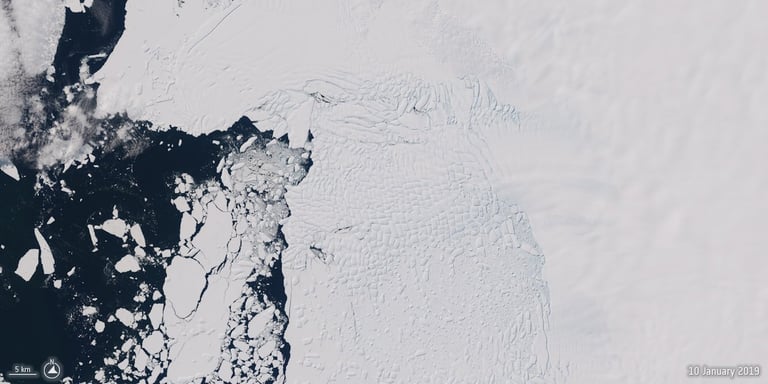

These detections show substantial internal fracturing beneath Thwaites, indicating internal processes dominate over external tectonics in generating events.
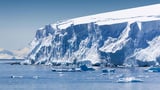
A new study identifies hundreds of glacial earthquakes in Antarctica from 2010 to 2023, concentrated mainly at the ocean-facing end of Thwaites Glacier, the so-called Doomsday Glacier because of its potential to raise sea levels if it were to collapse.
Unlike Greenland, Antarctic glacial earthquakes do not follow a simple annual warm-season pattern, pointing to different driving factors and dynamics at Thwaites and nearby glaciers.
The fresh seismic data will refine long‑term climate and sea‑level models and underscores the need for close monitoring of Thwaites’ complex, dynamic behavior.
Glacial earthquakes are ground vibrations from icebergs capsizing and colliding with the glacier, generating long‑range seismic waves with low high-frequency content.
Some events near Pine Island Glacier occur 60–80 kilometers from the coast, indicating not all detections are caused by capsizing icebergs and further work is needed to determine their origins.
Among 362 detected events, about two‑thirds (245) cluster near Thwaites’ marine terminus, suggesting iceberg calving as a major source, while alternatives exist for events near Pine Island Glacier.
Antarctic glacial earthquakes have historically been harder to detect than Greenland’s; discovery was aided by deploying Antarctic seismic stations.
The strongest insight is that ocean conditions and changes in the glacier’s speed along its ice tongue influence glacial earthquakes, linking ocean state to near-term glacier stability.
Most seismic activity concentrates at the glacier’s ocean-facing boundary, where warmer seawater weakens the base and promotes sliding and fracturing, with activity occurring in bursts.
The findings raise important questions about Thwaites’ stability and its role in future sea‑level rise, highlighting the need to study ocean–ice–solid Earth interactions in marine-terminating glaciers.
Earthquakes arise from internal ice movement—stick‑slip dynamics within Thwaites’ ice—rather than tectonic activity, as hundreds of small quakes reveal ongoing fracturing.
Summary based on 2 sources