Melbourne Braces for Extreme Heatwave and Fire Danger: Authorities Urge Precaution and Preparedness
January 6, 2026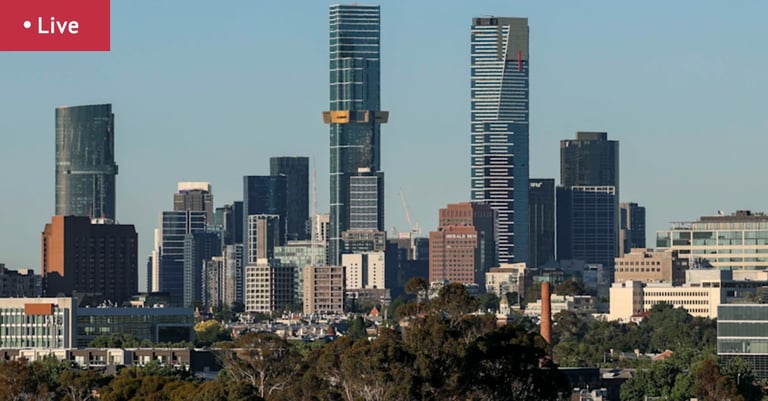


A severe heatwave is forecast to push Melbourne to about 41–42°C this week, with extreme fire danger in the north-east and high to severe conditions spreading across northern and eastern Victoria through Thursday and Friday.
Cities and regions are activating heat-response measures, including cooling centres opening early, free water availability, and extended access to libraries and pools to help residents stay cool.
Power suppliers advise pre-cooling homes, setting air conditioning to about 24°C, and unplugging sensitive electronics during extreme heat.
Live updates indicate temperatures in the low 40s across northern Victoria, with Melbourne approaching the mid-40s on some days and extreme overnight heat keeping lows in the low 20s.
Regional fire agencies warn that CFA fire danger will be extreme on Wednesday and rise further on Thursday and Friday, with many total fire bans expected later in the week.
Authorities urge preparation: know where to obtain information, have a plan, and be ready to act as conditions worsen.
Public health guidance emphasizes staying cool, hydrated, and indoors during peak heat hours, checking on vulnerable people, and using sun protection, with high-risk groups highlighted.
CFA Chief urges communities to carry bushfire survival plans, stay connected to VicEmergency, and consider leaving high-risk areas early on Friday as a precaution.
The CFA has already tackled significant fires this summer, including December grass fires at Goomalibee and Charlton, which burned thousands of hectares and mobilized hundreds of firefighters.
A cooler change is expected early Saturday, bringing rain and a drop to around 23°C.
Victoria is entering a multi-day heatwave with fire risk comparable to the 2019-20 Black Summer, signaling an elevated emergency response period.
WorkSafe Victoria recommends flexible work arrangements and heat-health awareness, plus workplace-specific strategies and education on recognizing heat-related illness and fire risks.
Summary based on 2 sources