Malaysia's Carbon Capture Plan: Ambitious Hub or Costly Misstep?
February 17, 2026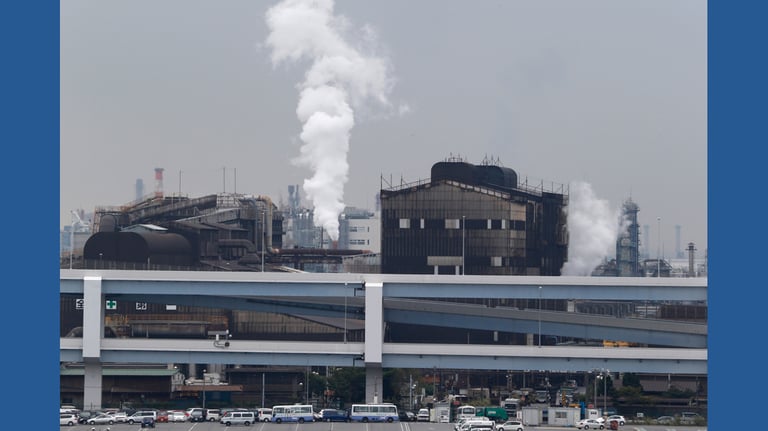


Malaysia’s ambitious cross-border carbon capture plan faces intense critique: critics say it is expensive, unproven at scale, and could divert attention from proven decarbonization actions like expanding renewables, potentially burdening Malaysia and raising concerns of 'carbon colonialism'.
Some critics warn the scheme could turn Malaysia into a dumping ground for industrial pollution, delaying broader climate action and exporting emissions to a developing country.
Authorities plan to monitor leaks and acknowledge that cross-border storage could set a precedent for neighbors such as Indonesia and Thailand, even as IEA projections suggest carbon capture will contribute only a small share to emissions reductions by 2050.
Malaysia has passed legislation to promote the CCUS industry, with projections that the sector could add up to $250 billion to the economy over 30 years, though many details remain unspecified.
Japan’s plan to ship emissions from heavy polluters to Malaysia for cross-border carbon capture aims to bury CO2 offshore within a few years, positioning Malaysia as Southeast Asia’s CCS hub and arguing for economic benefits alongside ambitious storage projects led by Petronas.
Malaysia positions itself as a regional CCS hub, with Petronas leading a major offshore storage facility and a projected economic boost, though specifics on implementation are still sparse.
The process envisions capturing emissions at sources like refineries or power plants, separating CO2, liquefying and shipping it, then injecting it into offshore storage sites off Sarawak.
Supporters, including fossil fuel interests and some policymakers, describe CCUS as a necessary bridge to cleaner energy, potentially buying time for broader transitions.
The debate sits within broader international dynamics and national approaches to reducing industrial emissions, with carbon capture’s role remaining contested.
Japan’s role as a top global emitter draws international scrutiny over its climate policy and the implications of its CCS program.
EU and Norway are developing CCUS facilities, illustrating growing but contested interest in cross-border storage, while the IEA projects that CCUS may contribute less than 5% of emission reductions by 2050.
Doubts about CCUS effectiveness persist, with forecasts suggesting limited near-term impact even as regions pursue offshore storage and pilots.
Summary based on 6 sources
Get a daily email with more World News stories
Sources

Yahoo News • Feb 17, 2026
Malaysia and Japan plan major cross-border carbon capture project, despite climate benefit doubts
The Independent • Feb 17, 2026
Malaysia and Japan plan major cross-border carbon capture project, despite climate benefit doubts