Global Wildfire Threat Triples in 45 Years, Human-Caused Climate Change Blamed
February 18, 2026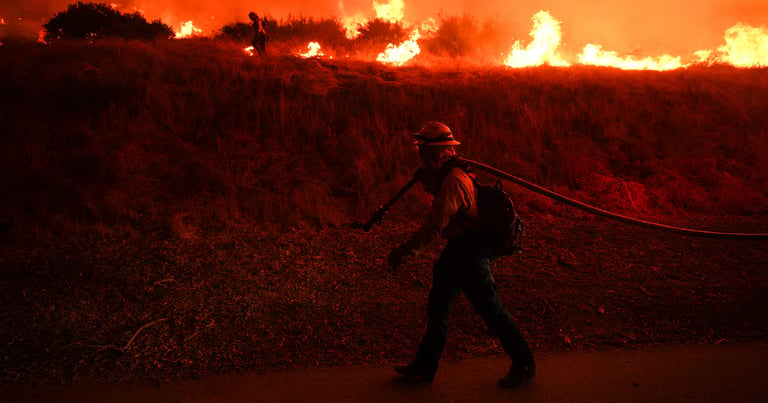


The study notes that while weather conditions are a primary driver, other factors like available fuel, oxygen, and ignition sources also shape actual fire outbreaks.
A global study in Science Advances shows the number of days with weather conducive to wildfires—hot, dry, and windy—has nearly tripled over 45 years, rising from about 22 days per year in the late 1970s/early 1990s to more than 60 days in 2023–24.
The team’s simulations indicate that over 60% of the increased fire-conducive days would not exist without increased greenhouse gas emissions from fossil fuels.
In the United States, synchronous fire weather days climbed from roughly 7.7 per year in the late 1970s to 38 days annually in the last decade, while southern South America saw an even sharper rise, jumping from 5.5 to 70.6 days per year, with 118 days in 2023.
Researchers attribute more than half of the global rise in synchronous fire weather to human-caused climate change driven by fossil fuel burning, based on computer simulations comparing the current period with a fossil-fuel–free scenario.
Overall, the study concludes that human-caused climate change is the primary driver behind the global rise in dangerous fire-weather days.
Synchronous fire weather—where favorable fire conditions align across multiple regions—can overwhelm firefighting resources and complicate cross-border aid as neighboring areas face simultaneous risks.
Lead author Cong Yin and co-author John Abatzoglou emphasize the importance of understanding that weather is a key factor but not the sole determinant of fire impacts.
Summary based on 6 sources
Get a daily email with more World News stories
Sources
Yahoo News • Feb 18, 2026
Study finds that dangerous days when weather is prone to fire soaring around the world
WKMG News 6 & ClickOrlando • Feb 18, 2026
Study finds warming world increases days when weather is prone to fires around the globe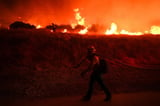
Orange County Register • Feb 18, 2026
Study finds warming world increases days when weather is prone to fires around the globe