Asia's Coal Comeback: Energy Crisis Spurs Return to Fossil Fuels Amid LNG Shortage
March 24, 2026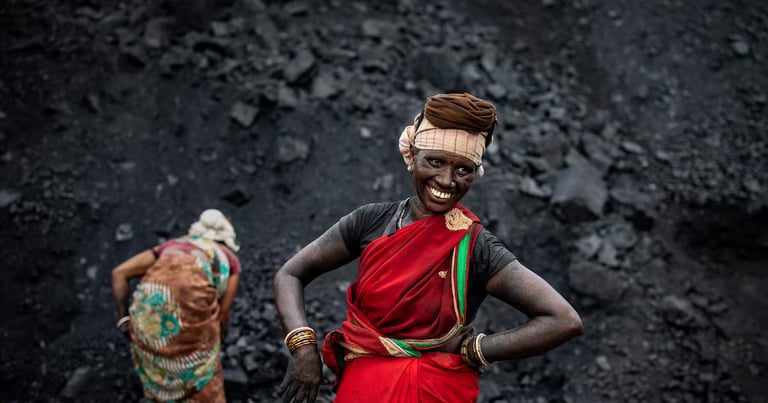


Coal prices, including Newcastle coal from Australia, have risen amid the disruptions, contributing to higher electricity costs in the region.
Asia’s dependence on imported fuel and the Strait of Hormuz as a chokepoint amplify vulnerability to supply shocks affecting LNG and oil deliveries.
Asia is increasingly turning to coal as a short-term fallback to cope with tightening LNG supplies and rising demand, with countries like India, China, and several Southeast Asian nations expanding coal use or relaxing limits on coal-fired generation.
This shift to coal stems from disruptions such as narrowed LNG availability and the Strait of Hormuz chokepoint, leading to immediate effects like power cuts and transport limits in some areas.
Health and environmental concerns are heightening as coal use grows, with WHO-linked air pollution risks amplified during current energy disruptions, affecting urban populations across Asia.
The energy squeeze is not limited to Asia; it has spurred measures in countries including South Africa, Egypt, Kenya, New Zealand, Slovakia, and Slovenia, showcasing a broader global impact through fuel rationing, curfews, and travel disruptions.
China remains a leading coal consumer and producer, expanding coal-fired capacity to bolster energy security even as it develops greater clean energy capacity.
China and India are driving higher coal consumption and capacity, with China expanding coal power and India preparing for a hot summer and peak demand around 270 gigawatts.
Many nations are enacting aggressive demand-control measures, such as Pakistan cutting fuel allocations and shortening work weeks, Sri Lanka’s National Fuel Pass with weekly caps, Bangladesh fuel rationing and outages, and Bhutan restricting jerry can fuel sales, all prioritizing essential services and remote work.
Experts describe coal as a temporary fix that undermines longer-term transition to renewables and could worsen air pollution and climate emissions, underscoring the need for diversification and timely energy-transition planning.
Longer-term concerns include smog, higher emissions, and slower progress toward renewable energy as coal serves as a stopgap, potentially undermining goals to phase out coal and accelerate clean energy.
Summary based on 3 sources
Get a daily email with more World News stories
Sources
NPR • Mar 24, 2026
Asia boosts coal use as Iran war squeezes global LNG supplies
AP News • Mar 24, 2026
Asia turns to coal as Iran war slashes energy supplies | AP News
The Times Of India • Mar 24, 2026
Pakistan, China, Sri Lanka see fuel prices rise as Hormuz choke fuels oil crisis: How countries are feeling the impact