Super El Niño Brewing: Record Heat, Altered Weather Patterns, and Global Impact Expected by 2026
April 6, 2026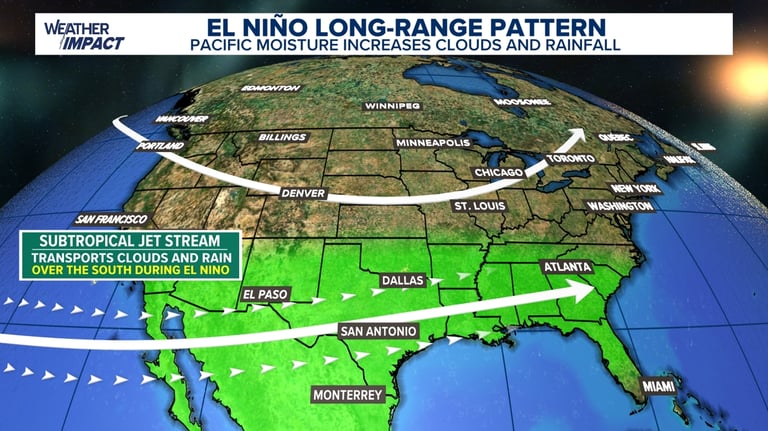


Most noticeable ENSO-related weather changes typically occur in winter, so significant effects may not be seen until the colder months.
While indicators point to a potent event, there is still uncertainty about its exact strength due to the unique climate system and warming trends, and past events inform preparation.
Historical major El Niños occurred in 1982-83, 1997-98, and 2015-16, but rising greenhouse gas concentrations mean a 2026 episode could release and redistribute more heat than those incidents.
The article notes broad climate implications from the event, including altered weather patterns, though specific regional impacts aren’t detailed in the excerpt.
Atlantic hurricane activity could be reduced or weaker due to stronger winds and increased wind shear over the Gulf of Mexico and tropical Atlantic, hindering storm development.
A super El Niño is developing, with central and eastern Pacific temperatures forecast to exceed +2.0°C above normal and potentially reach around +2.5°C through October 2026, signaling an exceptionally strong event.
Predicted global and regional impacts include above-average summer heat and humidity in the Western U.S., potential unusual downpours, more Pacific storms (Hawaii, Guam, eastern Asia), and reduced tropical cyclone activity in the Atlantic.
The forecast suggests possible record global temperatures, with 2027 likely to be especially warm and monsoon shifts affecting agriculture in regions like central and northern India.
Broad weather implications through at least October include reduced Atlantic hurricane activity, increased Pacific cyclone activity, regional droughts, heat waves across multiple continents, and higher global temperatures with potential 2027 records.
In the United States, a super El Niño tends to bring wetter winters to the southern states (California, Gulf Coast, Mid-South) and drier, sometimes warmer, conditions to the northern tier (Pacific Northwest and parts of the Midwest).
For Metro Detroit and the Midwest, expect drier and sometimes warmer winters, with more pronounced impacts during winter.
Overall, the U.S. could see wetter southern winters and drier northern winters as the pattern intensifies.
Summary based on 7 sources
Get a daily email with more World News stories
Sources
The Washington Post • Apr 6, 2026
Strongest El Niño in a century? What this rare phenomenon could bring.
New Orleans CityBusiness • Apr 6, 2026
Strongest El Niño in a century? What this rare phenomenon could bring | New Orleans CityBusiness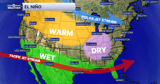
WXYZ 7 News Detroit • Apr 6, 2026
'Super' El Niño could bring drier, warmer fall and winter to SE Michigan
WAPO • Apr 6, 2026
Strongest El Niño in a century? What this rare phenomenon could bring.