Global Warming Threatens Tens of Thousands of Plant Species with Extinction, Study Warns
May 7, 2026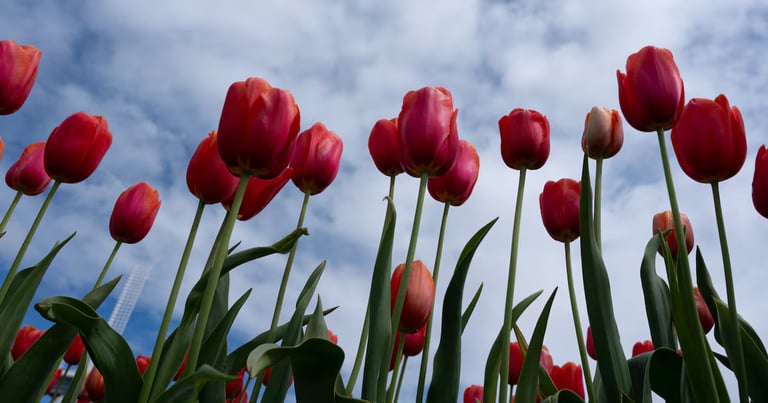

A new Science study warns that global warming, shifting rainfall, and rising temperatures could push tens of thousands of plant species toward near-extinction within the next 55 to 75 years due to widespread habitat loss.
The Arctic, Mediterranean, and Australian regions are highlighted as especially vulnerable because rapid warming and altered precipitation are disrupting habitats and climate tolerances.
Extinction risk mainly stems from the loss of suitable habitat rather than plants failing to migrate, as changing soil, temperature, and rainfall combinations break the precise conditions plants need.
Examples such as the ancient Ginkgo biloba and flowering tulips illustrate how climate shifts reshape optimal growing conditions and complicate conservation efforts.
Plants’ extinction risk is often underappreciated compared with animals, yet urgent action to conserve endangered species is crucial for human food security and access to basic materials.
A separate Kew Gardens study finds nearly 10,000 flowering plant species are endangered today, many of them evolutionarily old and unique, meaning their loss would erase significant portions of Earth’s evolutionary history.
Experts urge prioritizing conservation of the most evolutionarily unique plants to safeguard the greatest amount of evolutionary history, even if not every species can be saved.
Even with potential rapid range shifts, climate-driven habitat loss will drive high extinction rates, reinforcing the need for proactive conservation and mitigation measures.
Summary based on 16 sources
Get a daily email with more Science stories
Sources

AP News • May 7, 2026
More than cuddly critters. Climate change puts unusual plants at risk | AP News