Historic Heatwave Shatters July Records; El Niño Intensifies Climate Challenges
August 10, 2026


July was the hottest month on record for the contiguous United States, with an average the Lower 48 reached 76.89°F, beating the 1936 July record by a slim margin.
NOAA links the extreme heat to climate-change trends, including more warmth at night, which affects health and agriculture.
Forecasts indicate a potentially strongest El Niño on record this year, following two scorching years in 2023–24.
Predictions remain probabilistic and regional impacts will vary, underscoring the need to monitor developments through the season.
Analyses show jet-stream shifts and atmospheric circulation changes will drive weather patterns, increasing drought risk in some areas and heavy rainfall in others.
Through October, substantial parts of the U.S., the Caribbean, Central/South America, Europe, Africa, the Middle East, and parts of Asia face higher risk of extreme rainfall or drought.
NOAA data show a notable rainfall deficit across Florida and parts of Texas, contributing to water scarcity even amid some rain.
East Coast hurricane activity could persist as a concern, with tropical systems and remnants affecting the Mid-Atlantic and Northeast later in the season.
First measurable snow in New York area isn’t expected until late fall, with higher elevations near the Great Lakes possibly seeing snow in late October.
CSI’s methodology uses ERA5 and ACIS data from 192 U.S. city stations, with NOAA-defined climate regions guiding the analysis.
Expected consequences include widespread heat and extremes, with wetter conditions in parts of southern Europe and Central Asia and drier conditions in northern regions.
Policy directions are criticized for favoring fossil fuels, including reopening coal plants and reliance on gas-powered AI data centers, potentially worsening emissions.
Summary based on 36 sources
Get a daily email with more World News stories
Sources

AP News • Aug 10, 2026
NOAA says the Lower 48 US states set a record for hottest month ever in July | AP News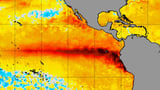
Gizmodo • Aug 6, 2026
Okay, These El Niño Forecasts Are Getting Ridiculous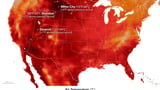
Gizmodo • Aug 11, 2026
July Heat in the US Broke Records That Have Stood Since the Dust Bowl
Yahoo News • Aug 10, 2026
Contiguous US breaks its record for hottest month ever, NOAA says