Brazil's Supreme Court Faces Pivotal Rulings on Indigenous Land Rights and Environmental Protections
August 11, 2026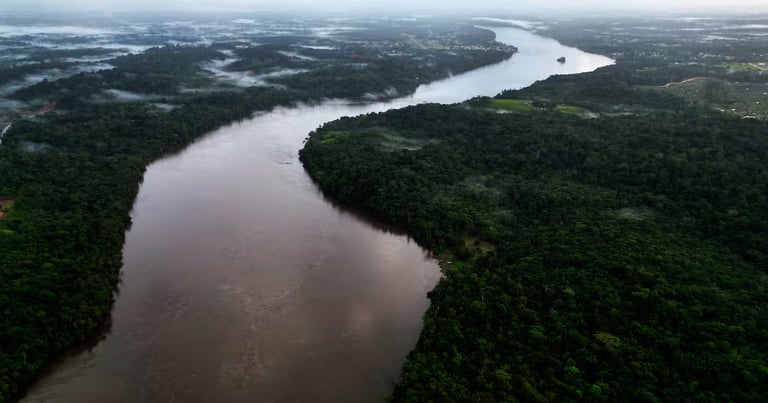


Brewing cases at the Supreme Court center on Indigenous land rights, rollbacks of environmental safeguards, and infrastructure projects, with potential to either constrain or expand protections as a conservative Congress has pushed legislative changes.
Brazil remains a top producer of soy and beef, with deforestation driven largely by agricultural expansion in the Amazon, though Lula’s administration has secured notable reductions and ecological investments.
Agribusiness wields substantial sway in Congress, complicating Lula’s environmental agenda and making the Supreme Court a crucial check on legislative moves.
The nearly two-decade soy moratorium collapsed after states revoked tax benefits for participating companies, signaling renewed pressures on deforestation controls.
The Kawahiva Indigenous people illustrate the real-world stakes in land rights rulings, with some communities still isolated and awaiting demarcation decisions in Mato Grosso.
Brazil’s environment ministry advocates a balanced licensing system that promotes infrastructure investment while maintaining robust protections for climate and biodiversity.
Environmentalists expect the Court to strike down unconstitutional provisions in the licensing law, such as self-licensing for moderate-impact projects, while opponents argue for efficient environmental governance.
The Supreme Court is poised to hear cases that could reshape protections for the Amazon and Indigenous communities, including land rights, safeguards rollbacks, and infrastructure projects.
Beyond licensing, cases consider the end of the soy moratorium and a new fast-track environmental licensing law for major projects, raising concerns about weakened reviews.
The court will also address the time-limit theory for Indigenous land claims and related deadlines, with potential implications for compensation and future demarcations.
Administrative hurdles and expanded compensation rights for non-Indigenous occupants could affect future Indigenous demarcations and community impacts.
Lula’s vetoes on anti-environmental measures were overridden by Congress, highlighting ongoing tensions between the president’s environmental agenda and legislative support.
Summary based on 3 sources
Get a daily email with more World News stories
Sources

ABC News • Aug 11, 2026
Key Amazon cases reach Brazil’s Supreme Court following Lula's defeats in Congress
Boston 25 News • Aug 11, 2026
Key Amazon cases reach Brazil’s Supreme Court following Lula's defeats in Congress
WSOC TV • Aug 11, 2026
Key Amazon cases reach Brazil’s Supreme Court following Lula's defeats in Congress