Colorado River Crisis Deepens: Impending Cuts Threaten Water Supply, Agriculture, and Energy Across Seven States
August 16, 2026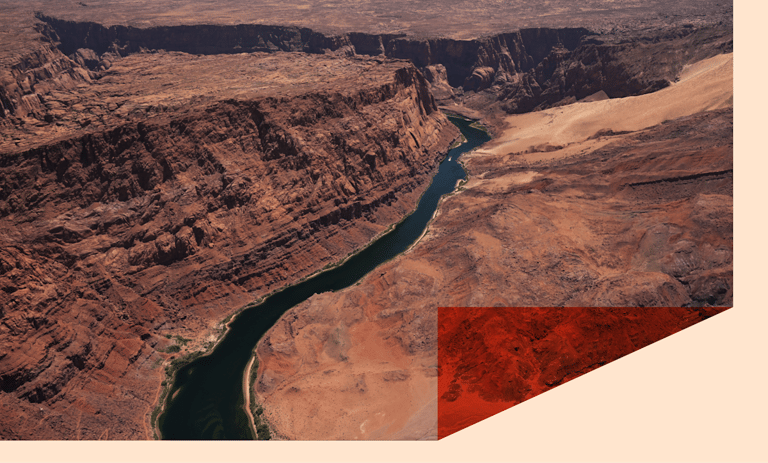


Lake Powell has fallen to a record low, at 3,519.91 feet above sea level, signaling a severe retreat of the reservoir amid sustained drought and overuse along the Colorado River.
Officials frame the situation as urgent but not catastrophic, pursuing short-term measures through next year while longer-term solutions await interstate agreement.
Photographer and filmmaker Kish plans further trips to Glen Canyon to document its changes and preserve this historical moment through art.
The piece highlights the link between water scarcity, climate trends, and policy negotiations, underscoring potential domestic consequences if decisive action is not taken.
There is a need for a long-term, enforceable management strategy among federal agencies and the seven Western states to avert further declines and protect water and power supplies.
Kish notes a shift away from hydropower reliance toward solar or wind, urging diversified energy sources to provide reliable power during droughts.
Federal officials warn that protecting critical infrastructure and keeping water and power supplies flowing remains paramount, but without substantial intervention or a strong winter, levels could keep dropping.
Together with Lake Mead, Powell and Mead hold nearly 60% of the Colorado River Basin’s water, a crisis that threatens water and electricity for about 40 million people across seven states.
Experts advocate aggressive demand-side curtailments, improved agricultural efficiency, crop prioritization, and a rethink of water-right allocations to navigate ongoing drought and climate pressures.
Contributing factors include overuse, a record-dry winter, and rising temperatures linked to climate patterns like El Niño.
Drought and drought-driven hydrology are driving discussions of major water cuts and policy actions within the Colorado River framework.
Discussions between the federal government and states on new allocation rules could lead to reduced water supplies for Arizona, California, and Nevada.
Summary based on 15 sources
Get a daily email with more US News stories
Sources
AP News • Aug 16, 2026
Record low levels at Lake Powell threatens water and electricity supply | AP News
ABC7 Los Angeles • Aug 17, 2026
Lake Powell hits record low, threatening key water and electricity supply for millions
Las Vegas Sun • Aug 17, 2026
Lake Powell hits record low, threatening key water and electricity supply for millions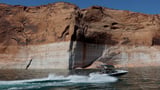
ABC News • Aug 16, 2026
Lake Powell, nation's second-largest reservoir, hits record-low level