European Seas Hit Record Highs: Urgent Action Needed as Marine Ecosystems Face Devastating Warming Impact
August 18, 2026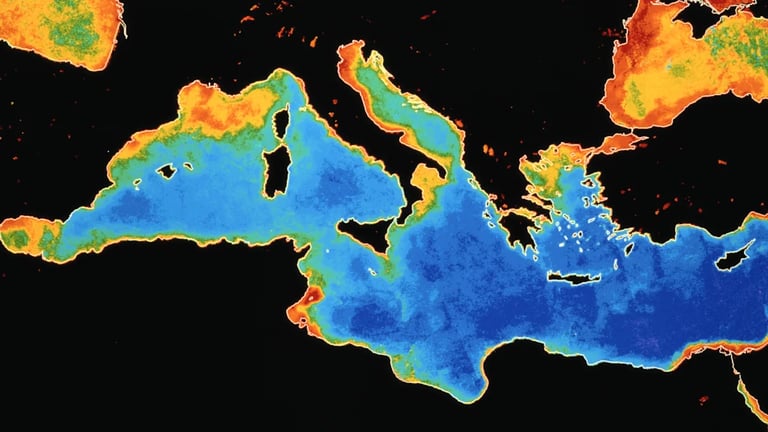


European seas are warming rapidly due to climate change, with the Mediterranean about 2°C hotter this summer and Western European seas up roughly 1.3–1.4°C hotter, according to World Weather Attribution researchers.
This warming is stressing ecosystems and could trigger die-offs of corals, sea grasses, kelp, and other habitats, disrupting food chains and impacting fisheries and coastal communities.
Heatwaves in 2024 and 2025 affected 80–90% of coastal areas in these regions, far above the roughly 40% baseline that would be expected without human-caused warming.
The reports argue that mitigation and adaptation must be integrated into broader economic planning, given the scale of risk.
Experts advocate a rapid transition away from fossil fuels and emphasize adaptation measures—habitat protection, revised fisheries and aquaculture management, enhanced monitoring, and early-warning systems—to mitigate ecological and socio-economic impacts, while noting adaptation alone cannot offset ongoing warming.
Potential adaptation strategies include protecting habitats, reducing overfishing and pollution, adjusting fisheries and aquaculture practices, and improving monitoring and early-warning systems, but the window for effective adaptation is limited as long as fossil fuel use continues.
The report calls for swift fossil-fuel reduction, stronger protection and adaptation of marine ecosystems, improved fisheries management, and better monitoring to guard ecosystems, fisheries, tourism, and coastal communities.
The article condemns Ireland’s failure to meet climate targets and criticizes continental Europe’s resistance to net-zero policies, framing climate action as essential to mitigating threats to welfare and economies.
Experts warn that global warming, not just policy, poses a significant risk to business and economic stability across Europe.
Lead author Claire Bergin notes that, without rapid action, temperatures could rise another 1.3–1.9°C by century’s end, pushing ecosystems further toward the brink.
European coverage highlights the link between climate change and wildfire risk, megafire trends, and ongoing political debate.
Co-authors emphasize that adapting to warming alone is insufficient and underscore the intrinsic value of ecosystems and the livelihoods that depend on stable marine conditions.
Summary based on 28 sources
Get a daily email with more World News stories
Sources

Yahoo News • Aug 18, 2026
Climate change is driving record heat in Europe's seas, scientists say
Bloomberg • Aug 18, 2026
Ocean Heat Waves Threaten to Supercharge Storm Season in Europe

FRANCE 24 • Aug 18, 2026
Climate change main driver of European ocean warming: study