Pregnant Women Face Escalating Risks from Extreme Heat and Pollution: Global Health Crisis Unveiled
August 21, 2026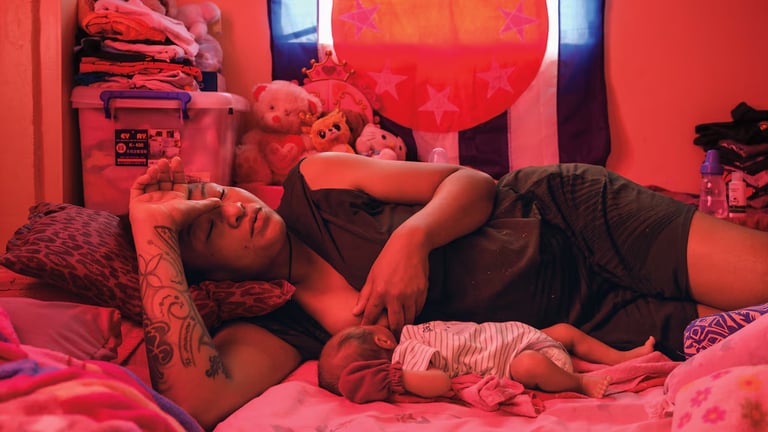

Pregnant women worldwide face heightened risks from extreme heat and air pollution, including miscarriage, stillbirth, preterm birth, low birth weight, and heat-related complications, driven by the direct effects of heat on fetal development.
Heat and air pollution amplify each other, with wet-bulb temperatures around 35°C marking a threshold where the body can no longer cool effectively, making pregnant women among the most vulnerable.
Extreme heat is linked to adverse outcomes such as preterm birth, gestational diabetes, birth defects, and stillbirth, prompting ongoing research into mechanisms and biomarkers like heat shock proteins.
Experts say reforms already underway in maternity care in the UK and elsewhere can serve as a blueprint for climate-resilient health systems that protect pregnant women and babies today and reduce future losses.
Policy implications include addressing climate anxiety in family planning and ensuring equitable access to cooling and healthcare across populations.
There is a policy blind spot: maternal and child health often receives limited explicit attention in adaptation plans, underscoring the need to name pregnancy in heatwave guidance and bolster maternity care capacity.
Adaptation strategies range from personal cooling kits and cooling hubs to urban measures (tree planting, reflective roofing) and heat-insurance programs that payout on hot days to protect pregnant workers.
Wellcome-funded research shows consistent heat-related maternal health risks from India to the UK, indicating this is a global issue, not confined to tropical regions.
OKC aims to elevate attention to children's and pregnant people’s health at COP31 and beyond, advocating policies that reduce heat and pollution exposure and promote clean energy to safeguard maternal and child health.
Actionable steps include embedding pregnancy in heat action plans, training health workers to recognize dehydration and heat stress, protecting pregnant workers, and accelerating the shift away from fossil fuels.
UNICEF’s 2026 Children’s Climate Risk Report shows nearly all children face at least one climate hazard, with about 1.1 billion exposed to three or more overlaps, underscoring that protection must start before birth.
Public health responses include cooling interventions and outreach programs, such as doulas guiding heat-reduction strategies and providing dehumidifiers and air conditioning support for low-income pregnant women in the United States.
Summary based on 2 sources
Get a daily email with more Science stories
Sources
Forbes • Aug 22, 2026
The Climate Threat To Pregnancy Is Already Here
Health • Aug 21, 2026
The Hidden Toll of Extreme Heat on Pregnancy