Record Heatwave Rocks Europe: 35,000 Deaths, Economic Crisis, and Tourism Shockwave
August 31, 2026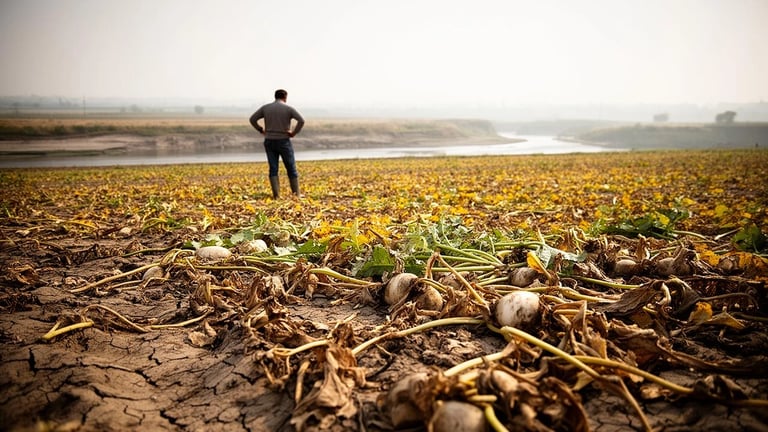


Europe endured a record-breaking fire season as France and Spain logged some of their largest fires on record, with Belgium experiencing its worst wildfire in over a century and multiple countries facing unprecedented heat-driven blazes.
Four of the EU’s 15 biggest fires in the past decade erupted this summer, including major blazes in Avila and Huelva in Spain, and a megafire near Bordeaux, France, in July.
From mid-June through early September, more than 1,000 wildfires scorched about 1.33 million acres across the EU, driven by successive heatwaves and climate change.
The summer crisis sparked dual humanitarian and economic challenges, pushing governments and industries to adjust production, irrigation, and fiscal supports in response to escalating climate risks.
Record-low river levels disrupted navigation on the Rhine, Loire, Danube, and Po, hindering German manufacturing logistics and grain transport and sending ripple effects through Central and Eastern Europe.
Analysts warn that if heat patterns persist, economies like France could face 5%–7% GDP losses by 2030, potentially totaling around $240 billion.
Some observers suggest Australians might skip the European summer to avoid heat-related travel disruptions and seek cooler domestic climates.
Extreme temperatures compromised public infrastructure, with overloaded transit systems, melting asphalt, and buckling rails affecting daily life and commerce.
Beyond immediate damage, the heat left lasting psychological impressions on tourism narratives as memories of heat linger even as bodily sensations fade.
Heat-related health impacts were severe, with heatstroke causing confusion, dehydration, and an excess of around 35,000 deaths across Europe that summer.
Agriculture suffered sharp losses: EU-wide summer yields fell up to 14% versus the five-year average, with French beet and Bordeaux wine production forecast to drop significantly and Dutch irrigation restrictions added to drought pressures.
Extremely high temperatures contributed to at least 35,000 excess deaths across Germany, France, and Spain, and are projected to push eurozone food inflation higher while trimming Q3 growth; full-year EU GDP losses were estimated around €180 billion.
Summary based on 3 sources