Pacific Nations Urge Global Action as Sea Levels Rise, Threatening Displacement and Coral Reefs
August 31, 2026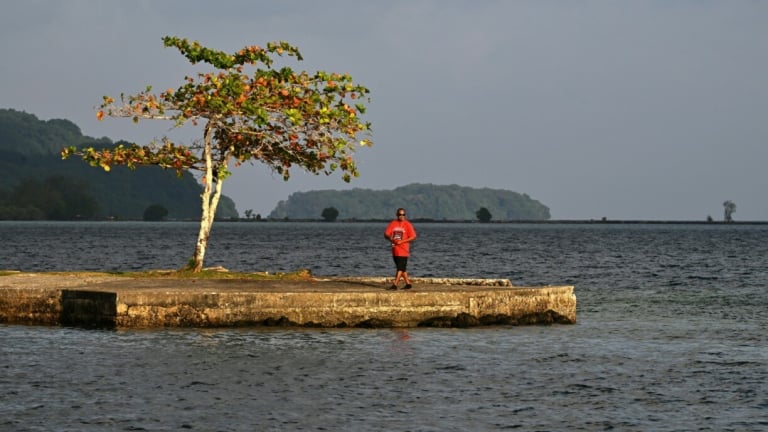


Pacific nations are sounding the alarm on sea-level rise and displacement, urging urgent international engagement and commitments to protect vulnerable communities.
UN Deputy Secretary-General urges G20 leaders to attend a Tuvalu-hosted meeting in October to address climate risks in the Pacific ahead of the Turkey UN climate summit.
Mohammed warned in Palau that warming oceans and melting glaciers are driving unprecedented sea level rise threatening Pacific Island communities.
Economic damages from coastal impacts already exceed $1.8 trillion, with global losses potentially reaching $1.4 trillion annually without adaptation.
Small Island Developing States suffered about $153 billion in climate-hazard losses from 1970 to 2020, highlighting disproportionate impacts.
A Global Coral Reef Monitoring Network study shows hard coral cover fell 9.5% over four decades, with major bleaching occurring every five to six years since 2010 due to climate stress and local pressures.
The Green Climate Fund has deployed $19 billion across 134 developing countries, but major donors have pulled back, underscoring funding gaps for adaptation.
Coastal fishing communities could lose about 65% of their catch, threatening food security and family nutrition.
UN reports record sea-level rise and warns up to 1.2 billion people could be displaced by 2050, with Pacific island nations experiencing sea-level rise at twice the global average and a funding gap for adaptation.
Adaptation priorities include phasing out fossil fuels, building early warning systems, sea walls, mangrove and dune restoration, managed retreat, better data, and clear legal frameworks for maritime zones; globally, $310–365 billion per year is needed, but 2023 funding was only about $26 billion.
A financing gap persists for adaptation, with billions needed annually for developing countries while actual funding remains far short.
Summary based on 16 sources
Get a daily email with more World News stories
Sources
الشرق الأوسط • Aug 31, 2026
Nearly 20 Still Missing After North Cyprus Ferry Capsize Kills Eight
RTL Today • Aug 31, 2026
World leaders need to see rising oceans in Pacific: UN official
The Korea Herald • Sep 1, 2026
World leaders need to see rising oceans in Pacific: UN official - The Korea Herald
Free Malaysia Today • Aug 31, 2026
World leaders need to see rising oceans in Pacific