Record-Breaking El Niño Threatens Global Disruption: Prepare for Extreme Weather Impacts
September 8, 2026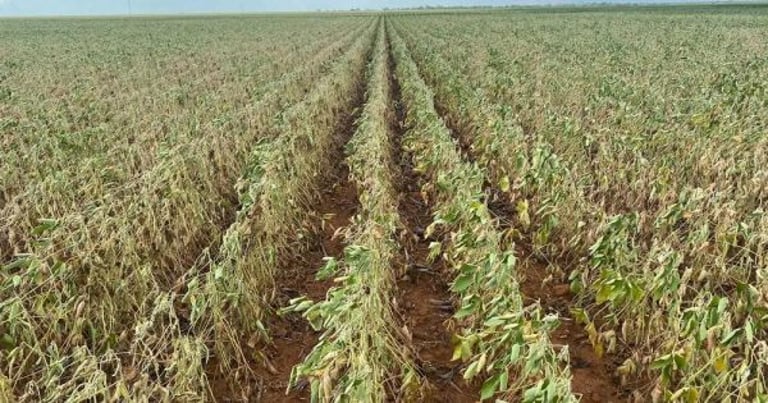


El Niño is strengthening and could become the strongest on record, peaking by year-end and persisting through next summer, with global impacts including heat, drought, heavy rains, and flooding.
Researchers analyzed ancient coral fossils from the Galápagos to establish a historical baseline for sea surface temperatures before industrial-era warming.
Scholars caution that a direct causal link to human-caused climate change isn’t conclusively proven, though human-induced warming is the most likely explanation for the observed trend.
Public guidance emphasizes practical steps: improve home drainage, clear gutters, patch leaks, sign up for emergency alerts, and stay informed with forecasts; cities should prepare cooling centers and plans for vulnerable populations and flood risk.
Emergency preparedness advice covers Go-Bags, securing property, flood-insurance basics (NFIP, private options), and tools to assess flood risk using FEMA and state resources.
Residents should enroll in emergency alerts, understand flood and mudflow risks, develop evacuation plans, stock up to 10 days of supplies, and ensure gutters and storm drains are clear and roofs leak-free.
Even after early resort closures, some ski areas stayed open as demand for snow holidays persists, with Snow Resorts Australia highlighting snowmaking infrastructure as a key mitigation measure.
Drought and related disruptions can cascade through flights, transportation, goods distribution, local trade, and daily life, potentially pushing up food prices and reducing community incomes if droughts persist.
In India, the southwest monsoon impact remains limited, but a weaker northeast monsoon and drier winter could affect rabi crops like wheat, mustard, and gram, necessitating proactive water and agricultural planning.
Industry is responding by diversifying sourcing, investing in water management and infrastructure, and adjusting operations to mitigate climate-related disruptions.
Access to the full analysis is behind a paywall, with only a portion available to the public.
Rural domestic water supplies face shortages, with tens of thousands of households at high risk in the north-central region, south-central coast, and Mekong Delta.
Summary based on 207 sources
Get a daily email with more World News stories
Sources

Time • Aug 31, 2026
How Should You Prepare For A Super El Niño?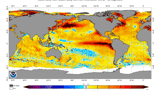
Ars Technica • Aug 31, 2026
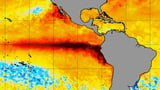
El Niño is now stronger than at any point in the last 1,000 years, study finds
Gizmodo • Aug 31, 2026
Climate Change Is Supercharging El Niño, 1,000 Years of Coral Data Shows