Wildfire Crisis in Borneo: Indonesia Battles Devastating Fires Amidst Haze and Health Emergency
September 27, 2026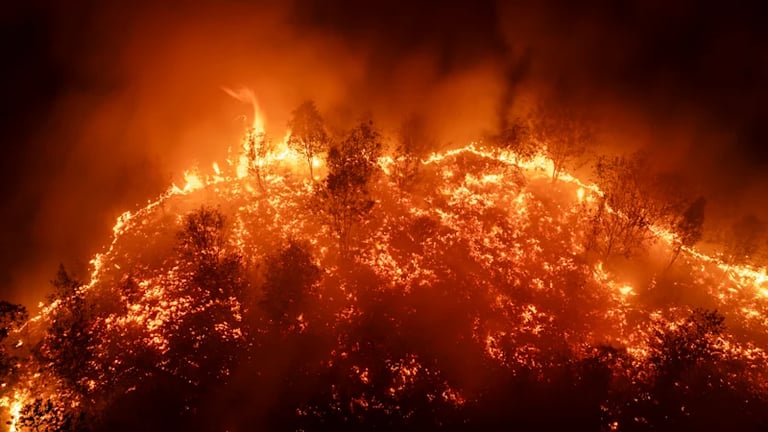


A severe, human-made wildfire crisis in Indonesian Borneo has crippled West Kalimantan as peatland drainage for cash crops and a prolonged El Niño-driven drought devastate thousands of acres and blanket millions in hazardous haze.
Government and international responders are cracking down on slash-and-burn practices, suspending some company permits, with Malaysia and Japan providing aid and the setup of Oxygen Houses and mobile oxygen units to treat smoke-related respiratory issues.
Indigenous Dayak communities defend traditional land-clearing practices as sustainable when peatlands are not involved, push back against being blamed for blazes, and insist peatlands must be protected while respecting local practices.
Local residents, including Trovimus Akoi and neighbors, battle blazes up close with improvised methods after canals and groundwater dried up, underscoring the immediacy and danger of the fires.
Independent analyses project firefighting costs and economic damage in the billions, with over 13 million people exposed to smoke and about 175,000 respiratory cases reported in a recent period, including many young children.
The haze’s reach extends beyond Indonesia to Singapore, Malaysia, and the Philippines, fueling regional debates over land use, environmental regulation, and climate-driven drought.
Health and economic impacts are widespread: air quality repeatedly hits hazardous levels, schools are suspended, and Pontianak’s market activity plunges as residents contend with polluted air.
Environmental groups criticize lax policy enforcement, arguing fires predominantly threaten peat ecosystems and that authorities target Indigenous communities rather than addressing corporate drivers of land clearing.
Summary based on 1 source
Get a daily email with more World News stories
Source
The Sydney Morning Herald • Sep 27, 2026
‘All we could see was red’: The wildfires choking Indonesian Borneo