Slovenia's Iconic Triglav Glacier Vanishes Amid Record Heat, Highlighting Europe's Rapid Climate Shift
October 27, 2026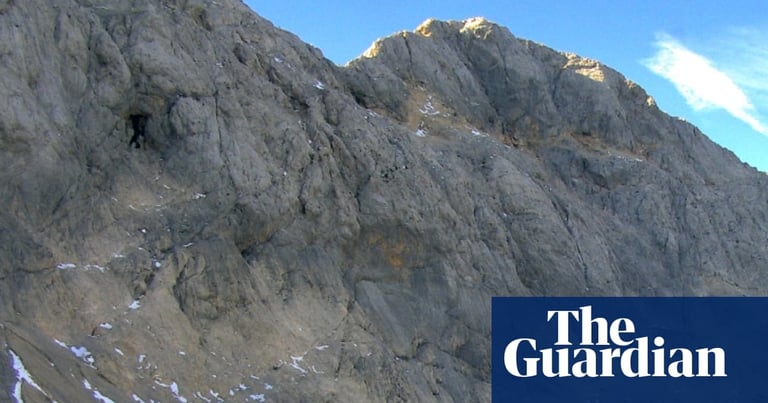


The Triglav glacier in Slovenia has disappeared entirely after decades of rapid melt, ending a 93% reduction in surface area from 1983 to 2003 and retreat continuing until no ice remains by the end of this summer.
Experts call the retreat astonishing and unprecedented in the data record, noting rapid transitions from ice to rock in successive years as crampon spots and ice cores reveal the pace of loss.
The wider Alpine region is experiencing dramatic glacier retreat due to heatwaves and carbon pollution, with notable reductions also reported in Switzerland and other parts of Europe.
Historically the glacier spanned about 40 hectares in the mid-1800s, shrank to 14 hectares by 1946, and continued to shrink as measurements began in 2001, illustrating swift loss within a single human lifetime.
Local experts, including Matija Zorn and Miha Pavšek, describe both the emotional impact and the data-tracking implications of losing a long-standing ice body and the visible landscape changes.
Researchers note that the glacier’s decline has accelerated during Europe’s hottest years, with the last five years featuring three record-breaking heat periods.
Triglav, Slovenia’s highest peak, holds national cultural significance, making the glacier’s loss a symbolic indicator of climate change for the country.
The final remnant of the main glacier is gone, though ice remains in caves beneath Triglav, and a smaller glacier on nearby Skuta Mountain has thinned and may survive a few more years under shade.
Summary based on 1 source
Get a daily email with more World News stories
Source
The Guardian • Oct 27, 2026
Slovenia mourns loss of glacier on its highest peak after scorching summer