Ancient Warm Periods Drove Major Retreat of Thwaites and Pine Island Glaciers
November 11, 2026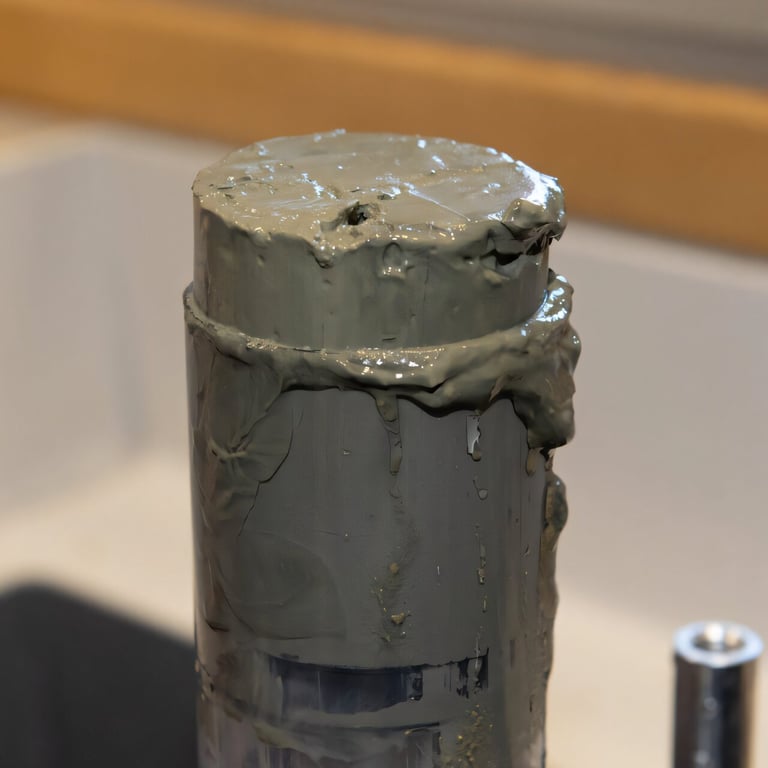

A study published in Nature Communications finds that the Thwaites and Pine Island glaciers repeatedly retreated far inland during warm interglacial periods over the past 800,000 years.
Researchers reached that conclusion by analyzing ocean-floor sediment cores drilled about 4,000 meters below the surface: kaolinite, a clay mineral carried offshore from Antarctic bedrock by glaciers, fell to near zero during each interglacial.
Those periods had global temperatures roughly 1–1.5°C above preindustrial levels or lower, while local waters near the ice sheet warmed about 1–3°C above today’s near-freezing baseline, according to diatom fossils.
The sediments also revealed magnesium-rich smectite linked to the deep Pacific Ocean, alongside evidence from marine algae, suggesting warm deep-water currents reached the continental shelf and contributed to melting grounded ice.
The findings point to substantial ice loss under temperatures similar to those of past natural warm periods, but the researchers warn that human-driven warming is happening faster and could compress a process that once took thousands of years into centuries.
A complete collapse of Thwaites could raise global sea levels by about 65 centimeters, and Pine Island could add another 51 centimeters; broader West Antarctic ice loss could contribute 3–5 meters, though the timing and pace remain difficult to predict.
Summary based on 2 sources
Get a daily email with more Science stories
Sources

Gizmodo • Nov 11, 2026
Earth Has Been This Warm Before. Here’s What Happened to the ‘Doomsday Glacier’
Phys.org • Nov 10, 2026
Seafloor clay reveals past dramatic ice loss in West Antarctica