COP31 Opens Amid Climate Warnings, Stalled Action and Deepening Finance Divide
November 12, 2026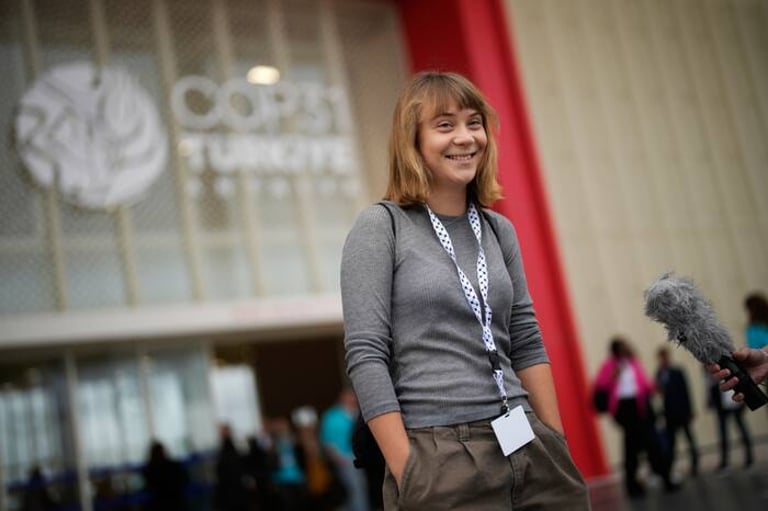


COP31 in Antalya, Turkey, opened amid an oil-price shock and geopolitical tensions, including the US war with Iran and Russia’s invasion of Ukraine, leaving observers doubtful that governments would deliver major breakthroughs.
The World Meteorological Organization said global temperatures from January to September averaged 1.47°C above pre-industrial levels, with a strong El Niño expected to push them higher; Guterres said exceeding 1.5°C was now inevitable, but governments could still limit how far and how long temperatures overshoot.
A Climate Action Tracker report said climate action has stalled for a fifth consecutive year and current policies could drive warming to 2.7°C by 2100, well above the Paris Agreement’s 1.5°C limit.
Returning to the annual U.N. climate talks for the first time in five years, Greta Thunberg told delegates the planet was “not dying, it is being killed,” accusing the governments and institutions tasked with tackling the crisis of failing to act.
Guterres said emissions need to fall by about 6% each year, while countries’ current commitments, even if fully implemented, would deliver only around one-third of the reductions needed.
There are signs of progress: clean electricity met all additional global power demand in 2025, renewable-energy deployment hit records in China and India, electric-vehicle adoption increased and Amazon deforestation fell sharply, though the shift away from fossil fuels remains too slow.
Activists criticized slow emissions cuts and the lack of agreement on phasing out fossil fuels as countries considered commitments to electrify their economies, with some pushing to require clean sources for the electricity.
Leaders from climate-vulnerable countries called for urgent action and said poorer nations should not bear the costs of a crisis they contributed little to causing; Mali Prime Minister Abdoulaye Maiga warned that delay could leave too little time to protect future generations.
The finance gap is stark: developing economies outside China account for nearly two-thirds of humanity but receive less than one-fifth of global clean-energy investment, and many pay two to three times more to borrow than wealthier countries.
Developed countries pledged in 2024 to mobilize $300 billion annually by 2035, but the OECD reported they provided and mobilized $136.7 billion in 2024; developing countries secured a COP31 agenda item on whether wealthy nations are meeting their climate-finance obligations, despite EU objections.
Guterres contrasted the nine largest oil companies’ $95 billion in profits in the previous quarter with about $600 million in the Loss and Damage Fund, arguing fossil-fuel interests obstruct climate action and accountability.
International Organization for Migration Director General Amy Pope called for more adaptation and resilience funding, saying climate change displaced almost 30 million people in 2025 and left hundreds of millions more living in at-risk areas.
Summary based on 19 sources
Get a daily email with more World News stories
Sources

The Guardian • Nov 12, 2026
The planet ‘is being killed’, Greta Thunberg tells Cop31 climate summit


The Independent • Nov 12, 2026
Greta Thunberg hits out at Cop31 leaders as nations plead for help: ‘No one is coming to our rescue’