Climate Change Could Squeeze 62% of Tourism Destinations by 2050
November 18, 2026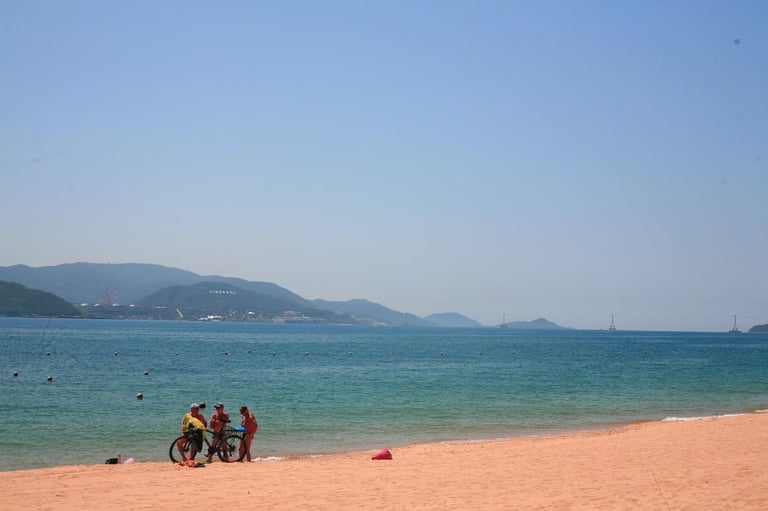


A new Destination Climate RiskScan report finds that climate change is reshaping global tourism, while many destinations remain insufficiently prepared for mounting risks.
Published by Travel Forward, Risklayer and CELTH, the study examines nearly 2,600 regions across 263 countries to help destinations plan for adaptation.
Under a moderate-emissions scenario, 36% of destinations could be “squeezed” by 2050, facing both more extreme weather and less favorable conditions for tourism; under high emissions, that share rises to 62%.
Rising temperatures are the main threat, alongside drought, extreme rainfall and larger wildfires; if emissions continue at their current pace, 78% of regions studied could see their exposure to climate risks rise significantly by 2080.
The Mediterranean basin is expected to experience the fastest changes, while tropical destinations in Southeast Asia, Africa and the Caribbean are already particularly vulnerable.
By 2080, favorable conditions for sightseeing and outdoor activities in the Mediterranean could shrink by a month, and Alpine ski resorts could lose an average month of good skiing conditions.
Some major beach destinations could also lose months of favorable weather, with conditions for swimming and hiking expected to worsen in many places.
The stakes extend beyond visitor comfort: water and energy resources, infrastructure, jobs and the ecosystems that support tourism are also at risk.
As conditions shift, some northern European regions, as well as Canada and Russia, could become more attractive to tourists.
The report’s authors urge destinations to adapt infrastructure, diversify tourism activities and revise travel seasons, while also cutting tourism emissions, estimated at 8–10% of global greenhouse-gas emissions and still rising partly because of air travel.
Travel Forward director Jeremy Sampson warns that tourism can no longer plan around a climate that no longer exists, because climate change is already altering the conditions on which the sector depends.
The report was released on the tourism-focused day at COP31 in Antalya, Turkey, which runs through November 20.
Summary based on 3 sources