UK Unveils Crypto Reporting Rules: HMRC Targets Unpaid Taxes with 2026 Data Sharing Initiative
January 2, 2026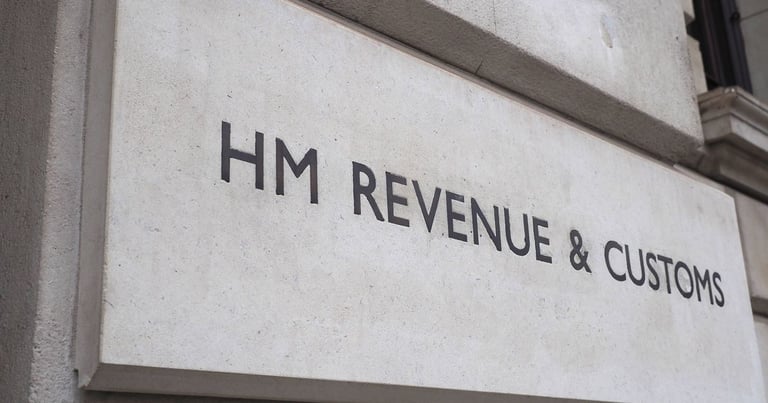

Treasury notes that the reporting rules align with the common reporting standard and could incentivize voluntary disclosures to address unpaid taxes from earlier years.
The broader picture includes price volatility in Bitcoin and other assets, investor risks, and guidance on safe investing, including verifying FCA registration and understanding consumer protections and fees.
The UK is introducing cryptoasset reporting rules that require investors to declare digital assets to HMRC, with exchanges sharing data with HMRC from the start of 2026 to boost tax compliance and close gaps in unpaid gains tax.
From January 1, 2026, a cross-border information-sharing framework expands HMRC’s access to crypto transaction data, making it harder for UK residents to hide profits from international tax authorities.
Under the CARF framework, investment platforms must automatically gather and submit information on crypto gains and losses to HMRC as of the new year.
Regulators, led by the FCA, are signaling tougher crypto rules with ongoing consultations, aiming for a 2027 milestone where crypto firms meet standards akin to traditional financial institutions for transparency and consumer protection.
A dedicated crypto self-assessment section will appear in the 2024/25 tax-year self-assessment, alongside a facility for voluntary corrections of undeclared gains and unpaid tax before April 2024.
Industry observers say the rules will create a richer data set and enable automatic cross-border information sharing to target under-reporting of crypto gains.
Exchanges must automatically report users’ earnings; noncompliance could bring fines under CARF, which enables cross-border data sharing among tax authorities.
HMRC expects these measures to yield at least £300 million in additional revenue over five years, noting thousands of UK crypto holders may owe back taxes on 2024/25 gains.
Chancellor emphasizes bringing crypto into the regulatory framework to protect consumers, deter fraud, and position the UK as a competitive digital-era financial hub.
A dedicated crypto gains and losses section will appear in self-assessment returns to improve transparency in declaring crypto earnings.
Summary based on 2 sources
Get a daily email with more Crypto stories
Sources

The Sun • Jan 2, 2026
New rules for cyrptocurrency investors as they must declare investments to HMRC...
Nottinghamshire Live • Jan 2, 2026
HMRC warning to crypto investors as January 31 tax deadline looms