US Sanctions Iranian Crypto Exchange, Expands Crackdown on Digital Asset Services
September 17, 2026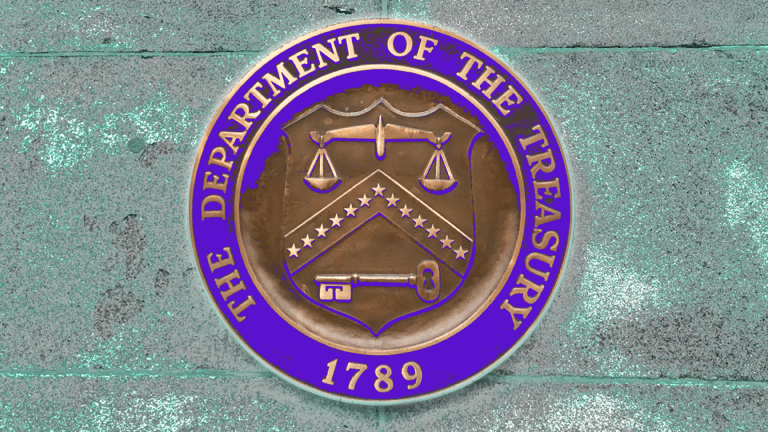


The U.S. Treasury’s sanctions target Iranian crypto exchange BitBank and its software developer Pishtaz Simorgh Electronic Trade Company, along with three associates of Babak Zanjani, for allegedly moving hundreds of millions of dollars in bitcoin to the IRGC.
This action is part of OFAC’s Operation Economic Outcast, a continuation of Economic Fury that has previously sanctioned Iranian crypto platforms like Nobitex, with new designations in mid and late year expanding the crackdown to more Iranian digital asset services.
Hormuz Safe Marine Services Authority, sanctioned previously, is implicated as handling insurance and movement rights for ships and has facilitated BitBank transfers to regime entities, affecting transit rights under the Law of the Sea.
The report includes broader market notes from Jefferies on Kinder Morgan, patent-driven stock rallies, KB Home earnings, Wildpack Beverage governance, and VNV Global’s Capital Markets Day, signaling a wider market context around sanctions timing.
Iran has established a rule-based Hormuz transit system with required permits, designated routes, and Iranian-approved insurance, linking access to insurance and drawing scrutiny from industry groups.
Context is provided with links to related coverage on Iran turning Hormuz into a bitcoin-based insurance market and CoinDesk’s APAC stablecoin landscape report.
The collection of items presents a narrative of crypto regulation and concurrent market developments affecting multiple sectors.
Treasury previously tied Hormuz Safe to an IRGC-backed scheme coercing vessels to buy maritime insurance for passage, including coverage against seizures by Iran.
Iran’s Straits of Hormuz traffic has been congested since the war intensified in late February, affecting global energy supplies amid ongoing sanctions and debates over navigation freedom.
Hormuz Safe advertises services like insurance, traffic control, security and emergency response, and accepts Bitcoin and other digital assets.
OFAC’s designation did not publish wallet addresses or transaction hashes, highlighting a gap in immediate traceability for compliance teams.
Market snapshot around Sep 18, 2026 shows most major cryptocurrencies rising, with notable movers like COTI and UNI, underscoring ongoing crypto activity amid sanctions.
Summary based on 18 sources
Get a daily email with more Tech stories
Sources
Bitcoin Magazine • Sep 17, 2026
Treasury Sanctions Iranian Bitcoin Exchange BitBank
Cointelegraph • Sep 18, 2026
US sanctions Iran’s BitBank, saying it processes ‘Hormuz Safe’ Bitcoin payments
Decrypt • Sep 18, 2026
Treasury Sanctions Crypto Exchange Behind Iran's Bitcoin Tolls on Hormuz Ships
CoinDesk • Sep 18, 2026
BTC news: Iran's Strait of Hormuz toll booth has been settling in bitcoin since June