Ethereum 2026: Tackling Scalability, Security, and AI in a Quantum-Ready Future
March 23, 2026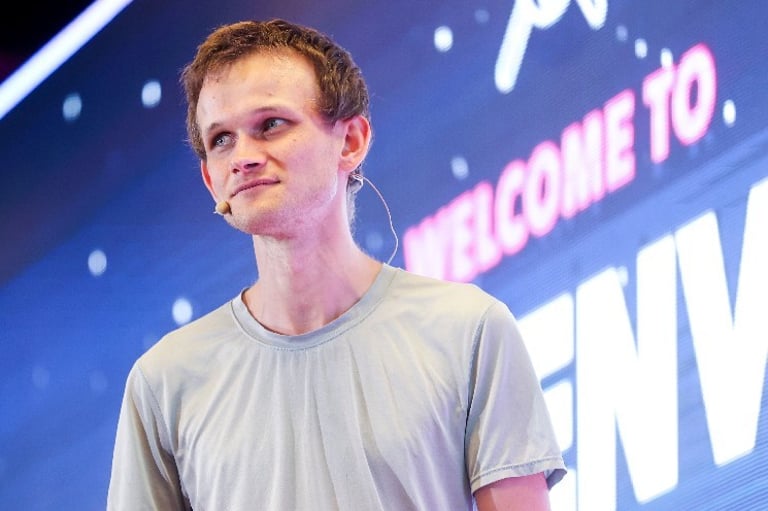


The network weighs scaling, security, and new use cases beyond its crypto roots as it enters a pivotal period in early 2026, signaling a broader evolution for Ethereum.
Base-layer upgrades like Fusaka and the forthcoming Glamsterdam aim to increase data capacity and efficiency, supporting higher throughput while preserving core security properties.
Incremental gains on the base layer have raised concerns about address-poisoning scams amid spikes in transaction activity.
A potential consolidation of Layer-2 networks is anticipated, prioritizing ETH-aligned L2s that deliver high performance without compromising security.
Ethereum envisions itself as a ‘trust layer’ for AI, enabling verifiable outputs, secure data sharing, and machine-to-machine economies, with a dedicated dAI research unit advancing decentralized AI initiatives.
In 2026, Ethereum faces a critical balancing act among base-layer improvements, scalable rollups, security, fragmentation across Layer-2s, and looming threats from AI and quantum-era cryptography, with no quick fixes in sight.
There has been an internal reshuffle at the Ethereum Foundation, including the departure of co-executive director Tomasz Stańczak, signaling a broader strategic recalibration amid pressures on scaling, security, and AI opportunities.
Near-term focus centers on scaling the base layer to build a quantum-secure foundation for an AI-driven economy, with Glamsterdam as a milestone in advancing this trajectory.
Vitalik Buterin has warned that current L2 designs risk drifting from Ethereum’s core guarantees, pushing for more specialized and interoperable rollups to maintain security and decentralization.
The ecosystem weighs broader institutional adoption against preserving Ethereum’s security, decentralization, and neutral settlement, with base-layer scaling as the critical test for future progress.
Quantum threats are accelerating post-quantum security work, with the Ethereum Foundation advancing leanVM and post-quantum signatures to prepare for quantum-safe cryptography.
Summary based on 2 sources